Glenside's tree-lined streets are full of homes built well before central air was standard, and the ductwork inside shows it. Additions, renovations, and decades of use turn early duct systems into dust magnets. Here's why older homes near Keswick Village and Arcadia University need more attention, and what a real inspection actually finds.
Glenside and the rest of Cheltenham Township are known for pre-war and early to mid 20th century homes, the kind of place where a walk to the SEPTA station on the Warminster/Lansdale line still passes porches and brick facades built decades before central air existed. Ductwork in these houses was often added later, sized for a smaller system, and patched over the years rather than replaced.
That age matters. Older metal ductwork develops loose joints and seams as a house settles, and every gap is a place for dust, insulation fibers, and outside air to sneak in. A newer home near a 2010s subdivision simply hasn't had the time to build up that kind of buildup yet.
Plenty of older homes around Arcadia University have been added onto over the years: a bumped-out kitchen, a finished basement, a converted attic bedroom. Each addition usually ties new ductwork into the original system instead of replacing it end to end. Every one of those transitions is a weak point — dust, drywall dust from the renovation itself, and pet hair settle in the elbows and joints where old duct meets new.
Homeowners near Keswick Village often ask what makes their older Glenside home different from a newer build a few towns over. Our air duct cleaning process is built around exactly this problem, clearing years of accumulated debris out of ductwork that was never designed to be cleaned easily.
Homes built before central air was standard often have ductwork that was added later, patched over decades, and never designed to be cleaned easily. Settling loosens joints and seams over time.
Bumped-out kitchens, finished basements, and converted attic bedrooms usually tie new ductwork into the original system. Every transition point becomes a place for drywall dust and debris to collect.
Every HVAC cycle pushes accumulated dust and pet dander back through the house. The EPA notes indoor air quality is closely tied to what moves through a home's ventilation system.
Our inspection checks every supply and return line plus the connections where additions tie into original ductwork, and looks for signs of mold, moisture, or pest activity before we recommend anything.
These are photos from our own work, not stock images. If your home has been heating and cooling itself through a few decades of renovations, this is the kind of buildup an inspection turns up.
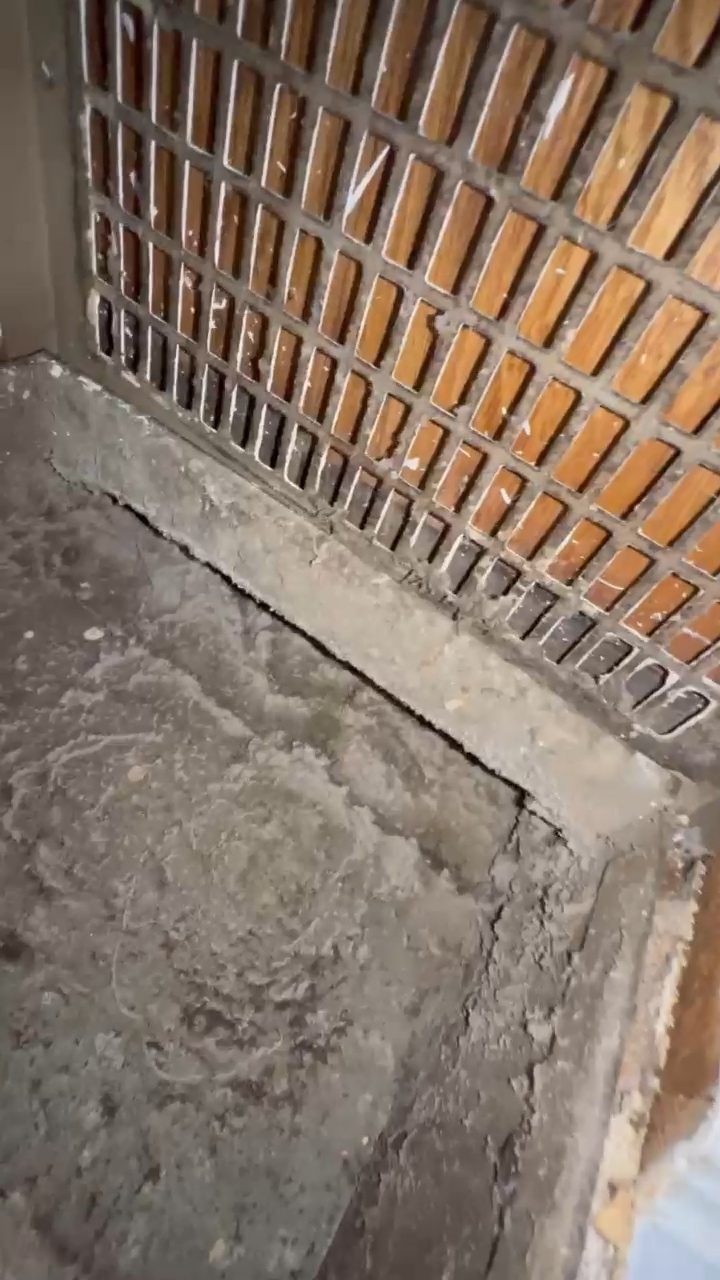
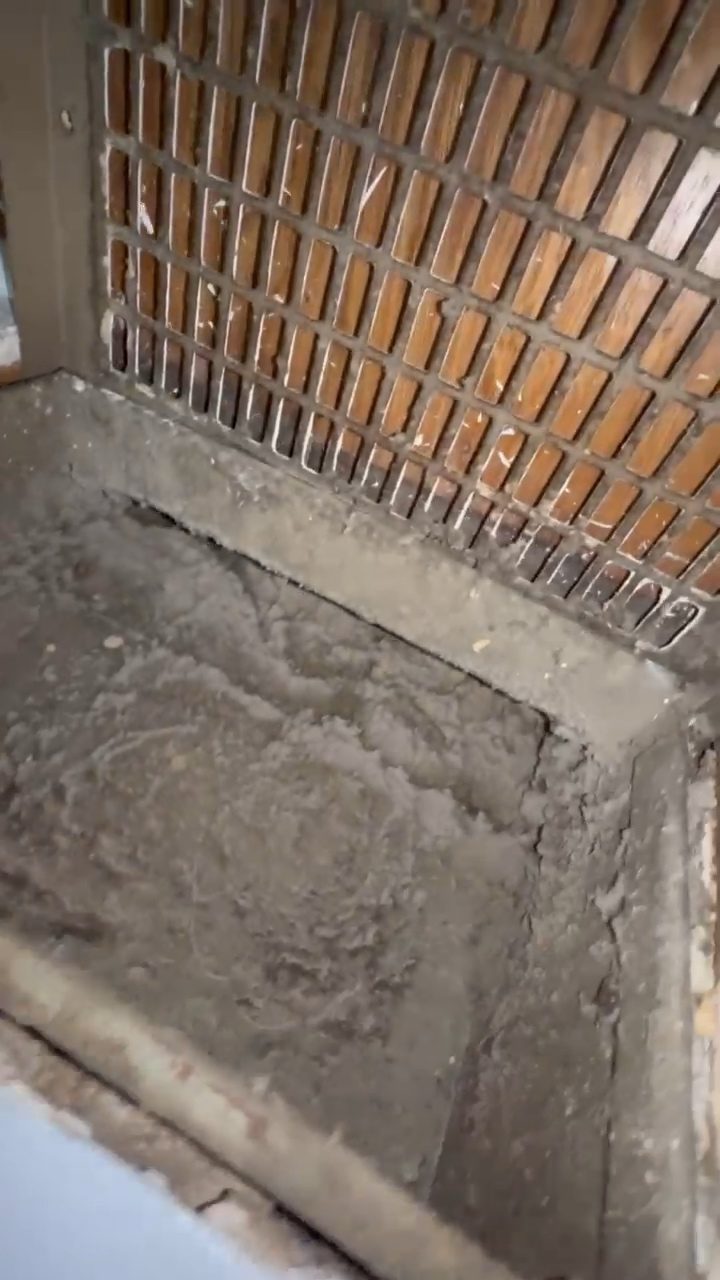
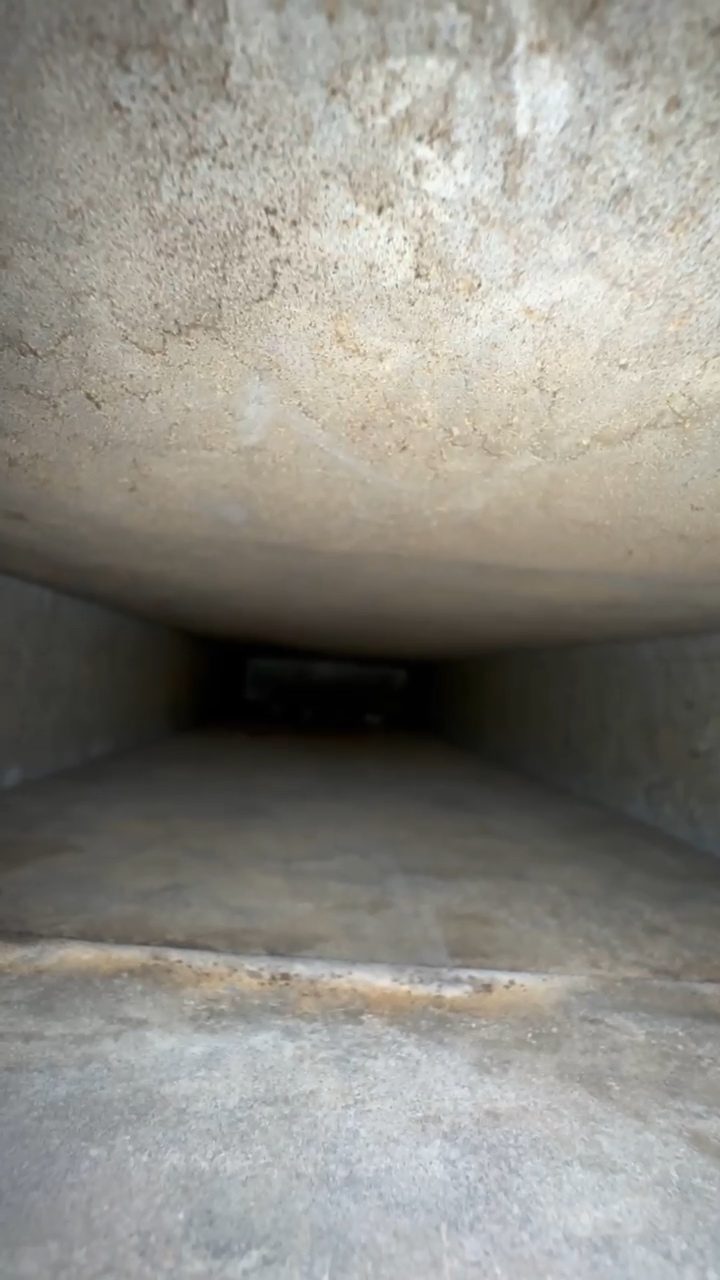
These are the tells homeowners in older Glenside homes notice first, especially in houses with an addition or renovation tied into the original system.
A clear look at what your ductwork is actually carrying before any work begins.
Reach out by phone or through our contact form.
We check every supply, return, and addition tie-in.
We show you the dust, mold, or moisture before recommending anything.
You review the findings and decide how to move forward.
A standard step included with every air duct cleaning.
Mechanical brushing plus vacuum extraction, then the disinfectant spray that comes standard with every cleaning.
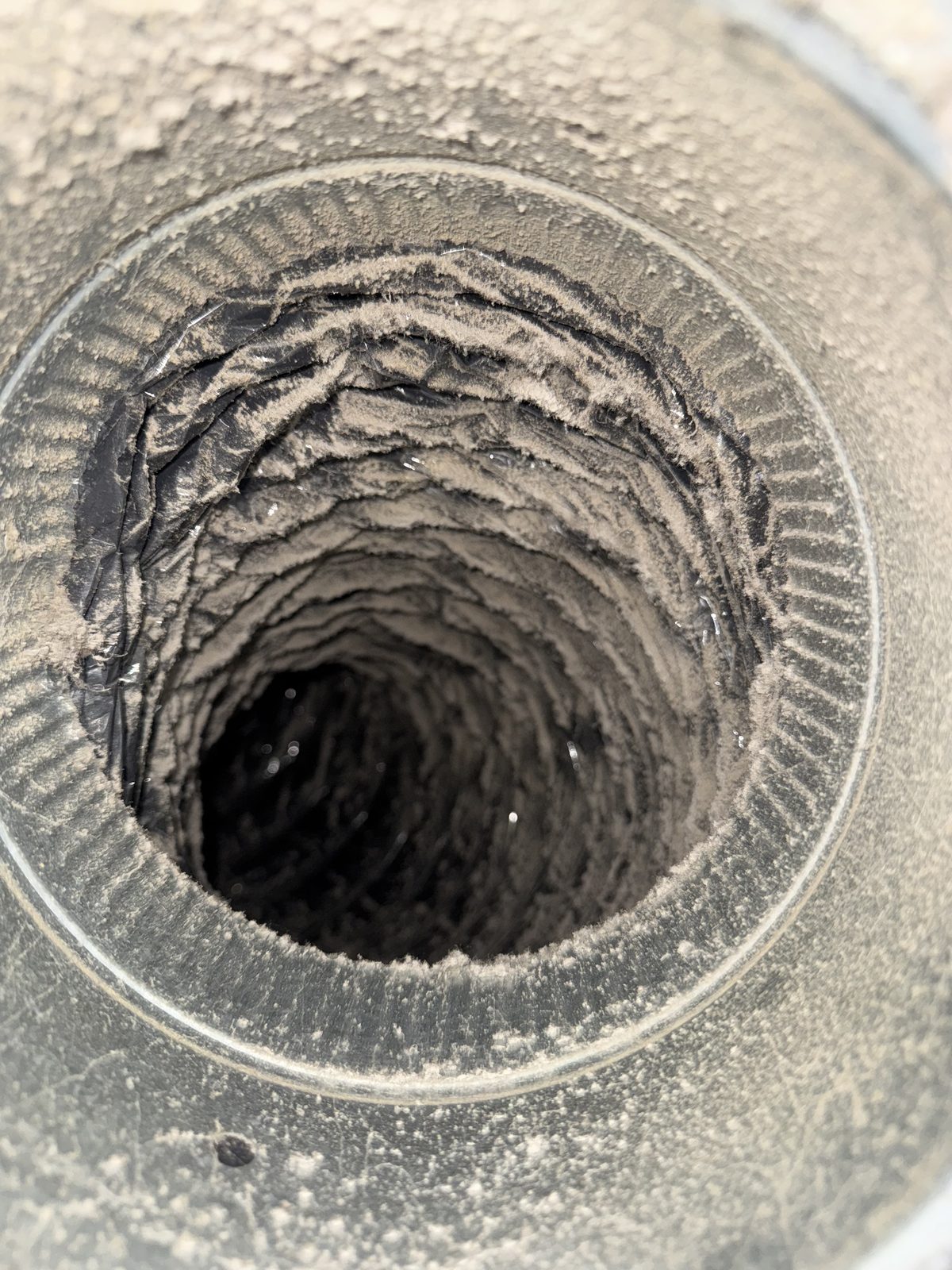
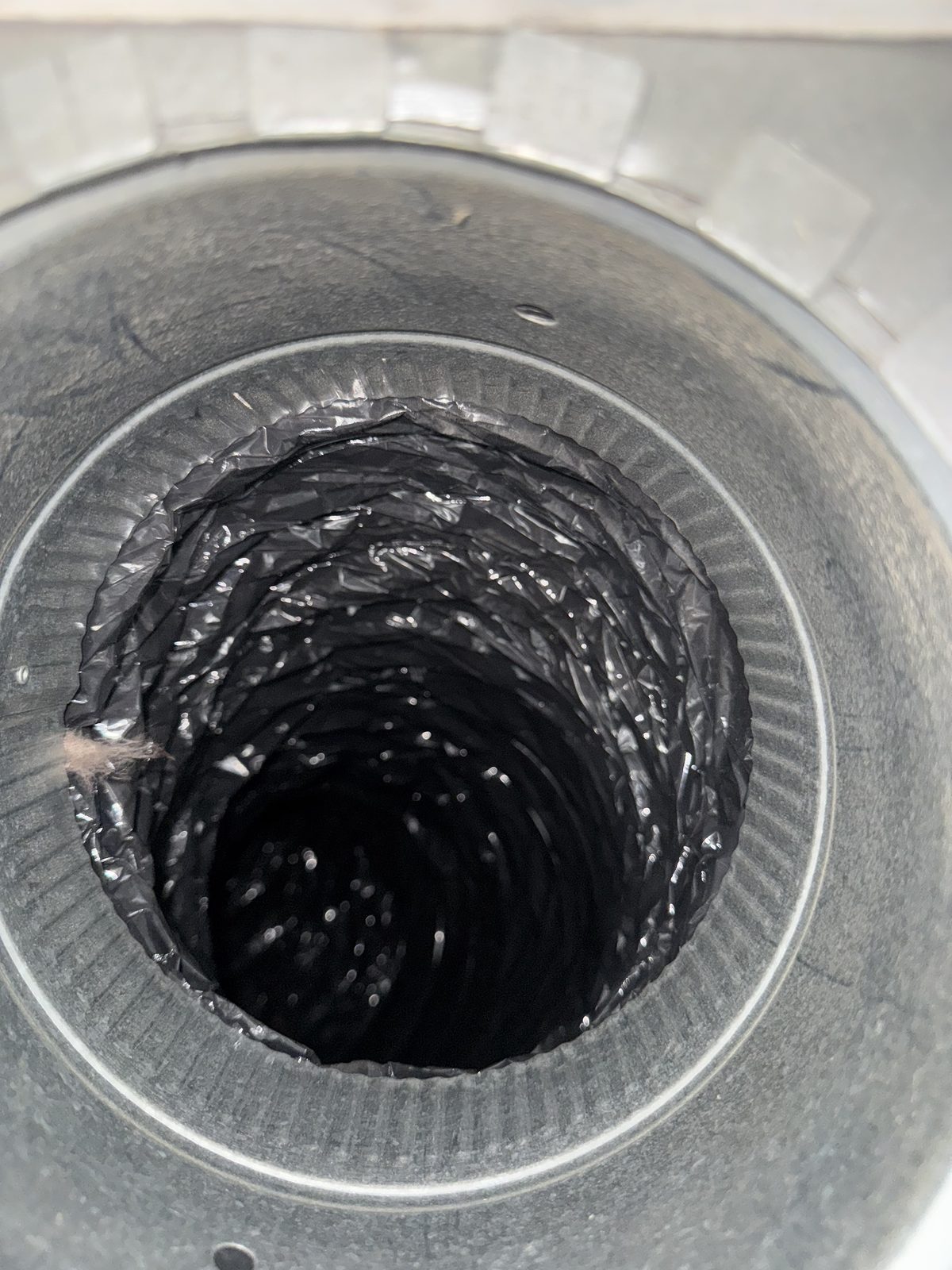
Watch for a musty smell when the HVAC system kicks on, visible dust around vent covers, and dust that resettles on furniture within days of cleaning. Older homes with additions often show uneven airflow between rooms too, which is a sign the duct system was never balanced for the newer square footage.
Homes built before the 1960s with original or patched ductwork typically need cleaning every 2 to 3 years, compared to 3 to 5 years for newer construction. Homes with additions, pets, or recent renovation work often benefit from more frequent service.
Yes. Removing years of accumulated dust, pet dander, and debris from the duct system reduces what gets recirculated through the house every time the HVAC system runs. The EPA notes that indoor air quality is closely tied to what moves through a home's ventilation system, and older ducts tend to hold more of it.
An air duct inspection checks every supply and return line, the connections where any additions or renovations tie into the original ductwork, and looks for signs of mold, moisture, or pest activity. We show you what we find before recommending a cleaning, and every cleaning includes a disinfectant treatment as a standard step.
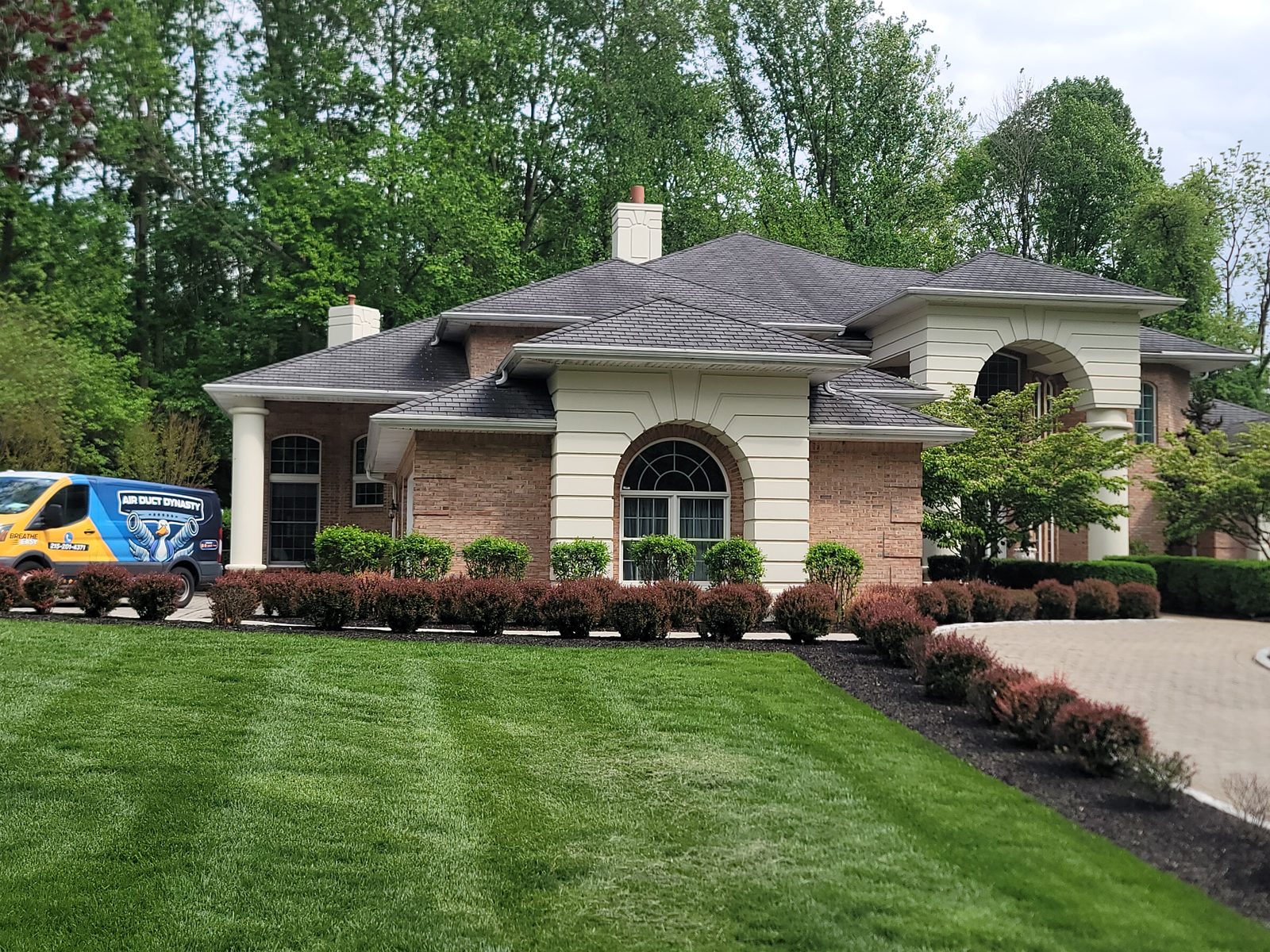
The shopping and dining corridor at the heart of Glenside, surrounded by exactly the kind of pre-war housing stock this article covers.
The residential streets around the university are full of older homes that have been added onto and renovated over the decades.
The walk to the Glenside train station passes porches and brick facades built long before central air was standard.
Older homes deserve a closer look, not a generic service call. Schedule an inspection and find out what your ductwork is really carrying.
Real reviews from Air Duct Dynasty customers.
Family-owned and operated by Rebecca and Avi Dadi, Air Duct Dynasty serves Glenside and nearby Montgomery County communities out of our Huntingdon Valley base.
Schedule an inspection today and see exactly what your ductwork is carrying before any cleaning begins.