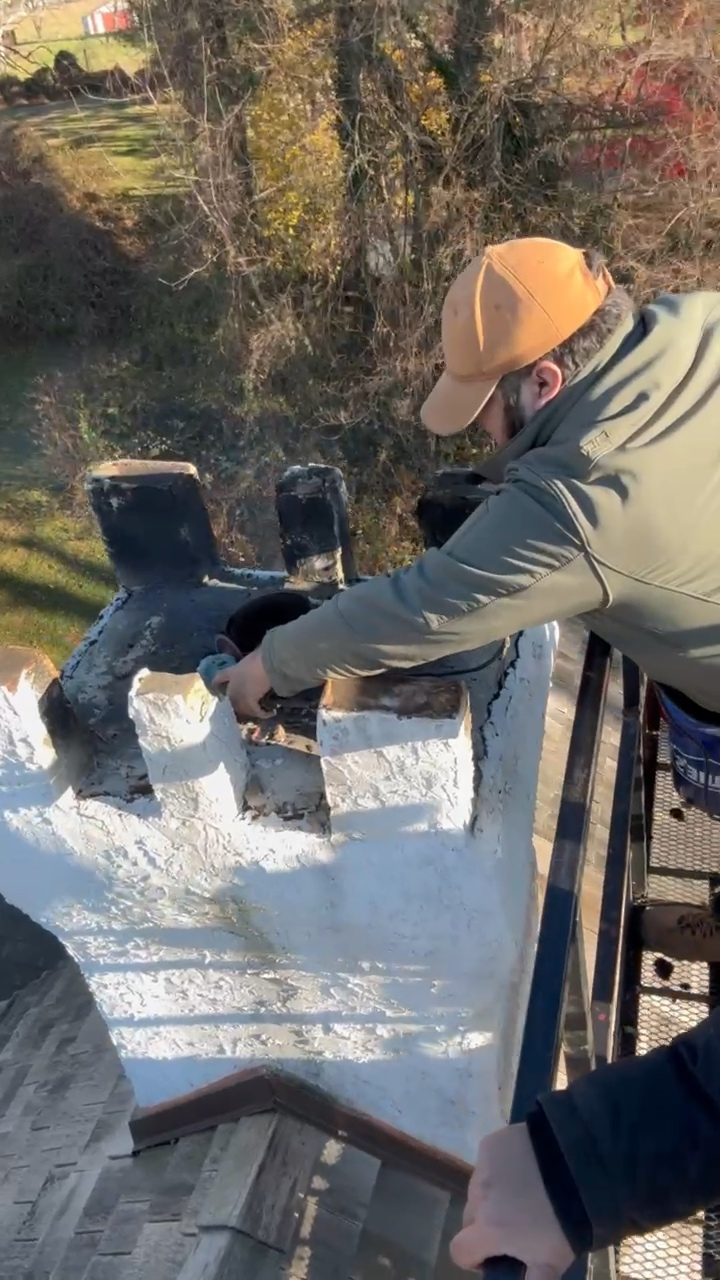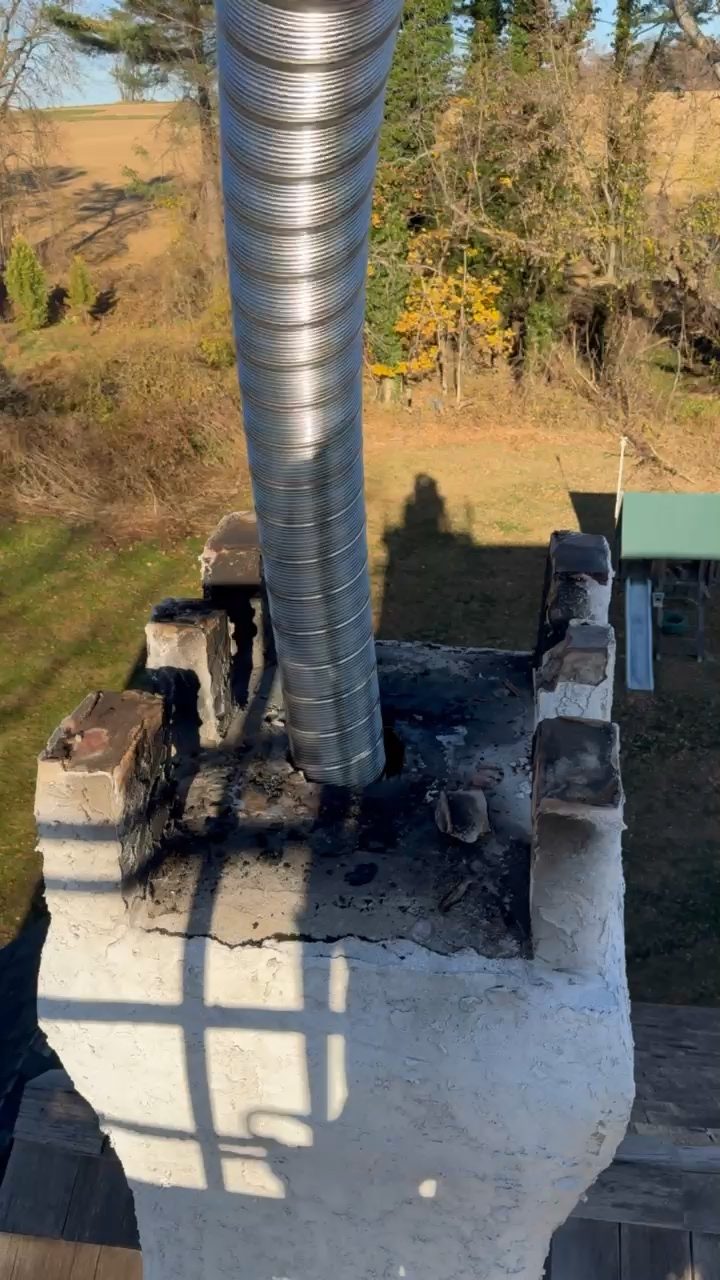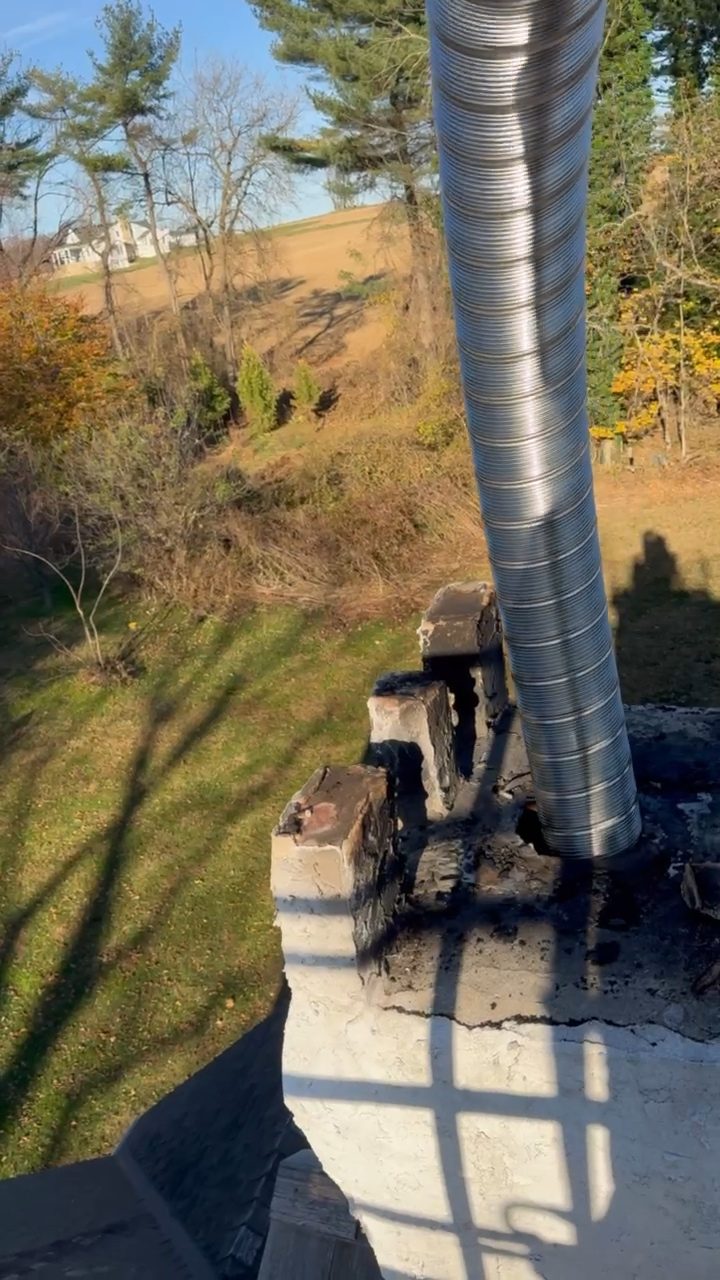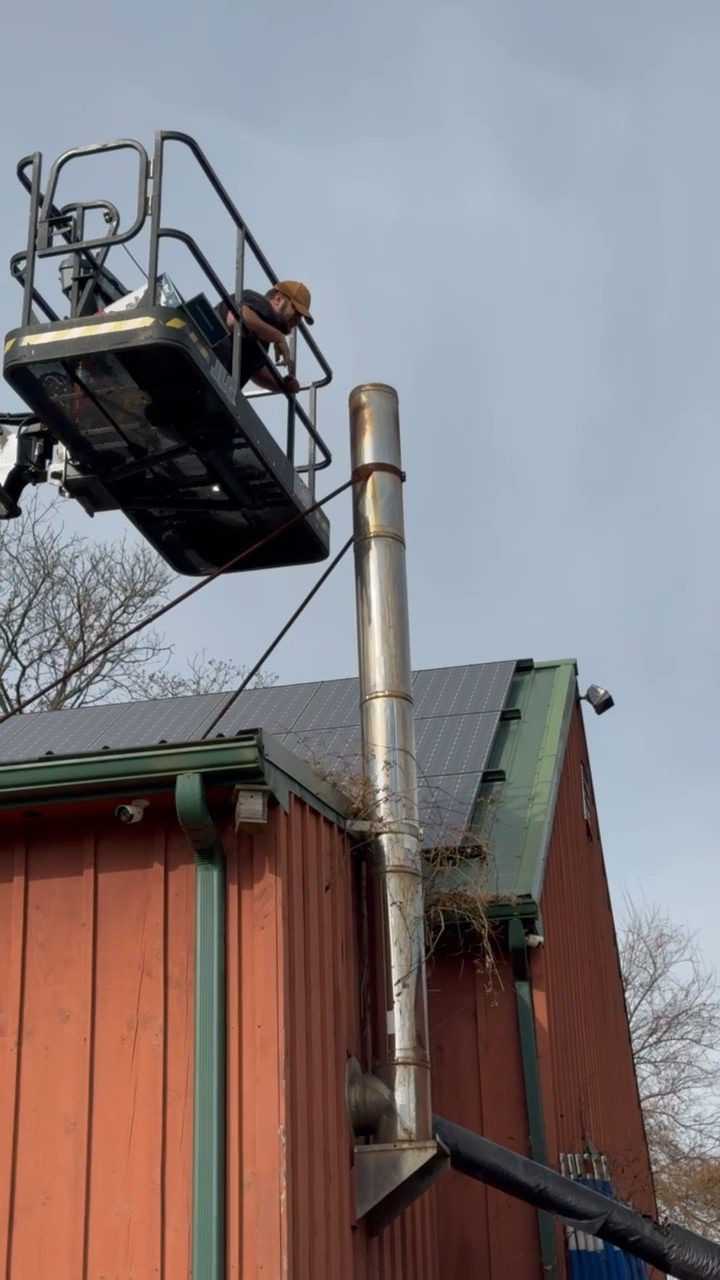
A liner can crack. Creosote can build up layer by layer. Years of moisture can work their way into masonry that looks perfectly fine from the driveway. None of it announces itself until it's smoke in the living room, a musty smell that won't quit, or a repair bill that could've been a routine visit. A full inspection catches it first.
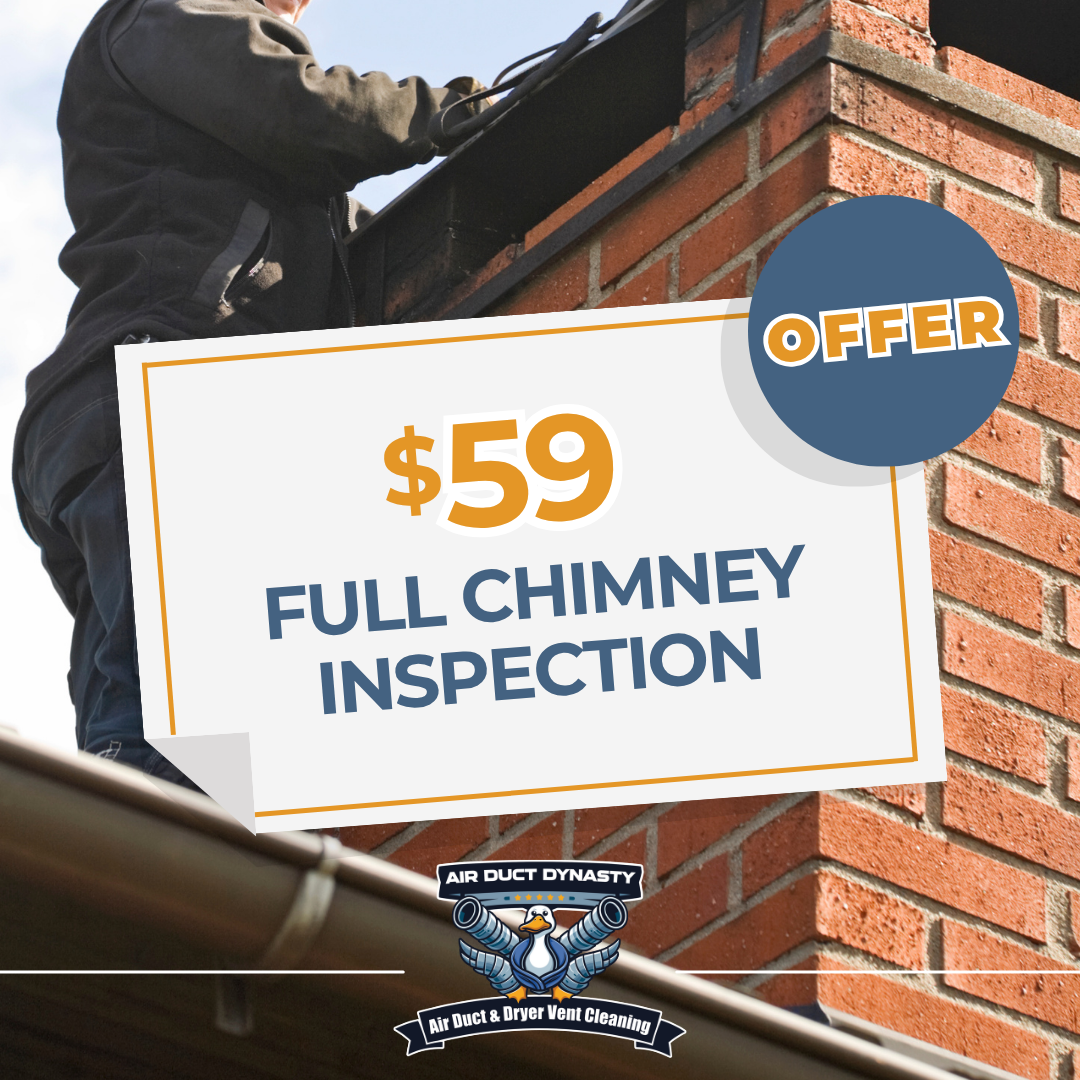
Most chimney problems aren't visible from the ground. A cracked flue tile, a failing crown, or mortar joints that let water in — you won't know any of it's there until we actually get up and look. Our $59 chimney inspection is the full checklist, not a shortened version: If you want the detail, we break down what a Level 1, 2 and 3 chimney inspection each cover and which one a home actually needs.
Cleaning, inspection, and repair all happen in-house with the same team — no juggling separate contractors or waiting on someone else's schedule to line up. We show you exactly what we find before recommending anything else. If everything checks out, you're covered for the season. If something needs attention, you'll get a straightforward quote and decide from there.
Mention this offer when you call or book online. Any additional cleaning or repair work is always quoted upfront — never a surprise.
This isn't just a Philadelphia problem. Homeowners across Montgomery, Delaware, Chester, and Bucks counties, the Wilmington, DE area, and South Jersey communities are all up against the same freeze-thaw winters working on their chimneys year after year. That is why we push homeowners to book before the first fire of the season rather than after something goes wrong.
Every winter, water works its way into hairline cracks in brick, mortar joints, caps, and liners, then freezes and expands. Do that enough winters in a row and the damage compounds — even on a chimney that looks fine from the driveway.
The National Fire Protection Association reports that failure to clean creosote buildup is the single leading contributing factor in home heating fires nationwide. It builds up layer by layer and doesn't announce itself until it ignites. How fast it builds depends on what you burn and how much, which is the whole of how often a chimney actually needs sweeping.
A compromised flue liner can let combustion gases and carbon monoxide drift into places they shouldn't. It's one of the most serious things an inspection checks for, and one of the hardest to spot on your own.
A cracked cap or crumbling masonry gives rain, animals, and debris a way in. None of it shows up from the yard — cracked flue tiles, a failing crown, and deteriorating mortar joints only surface once someone actually gets up there and checks.
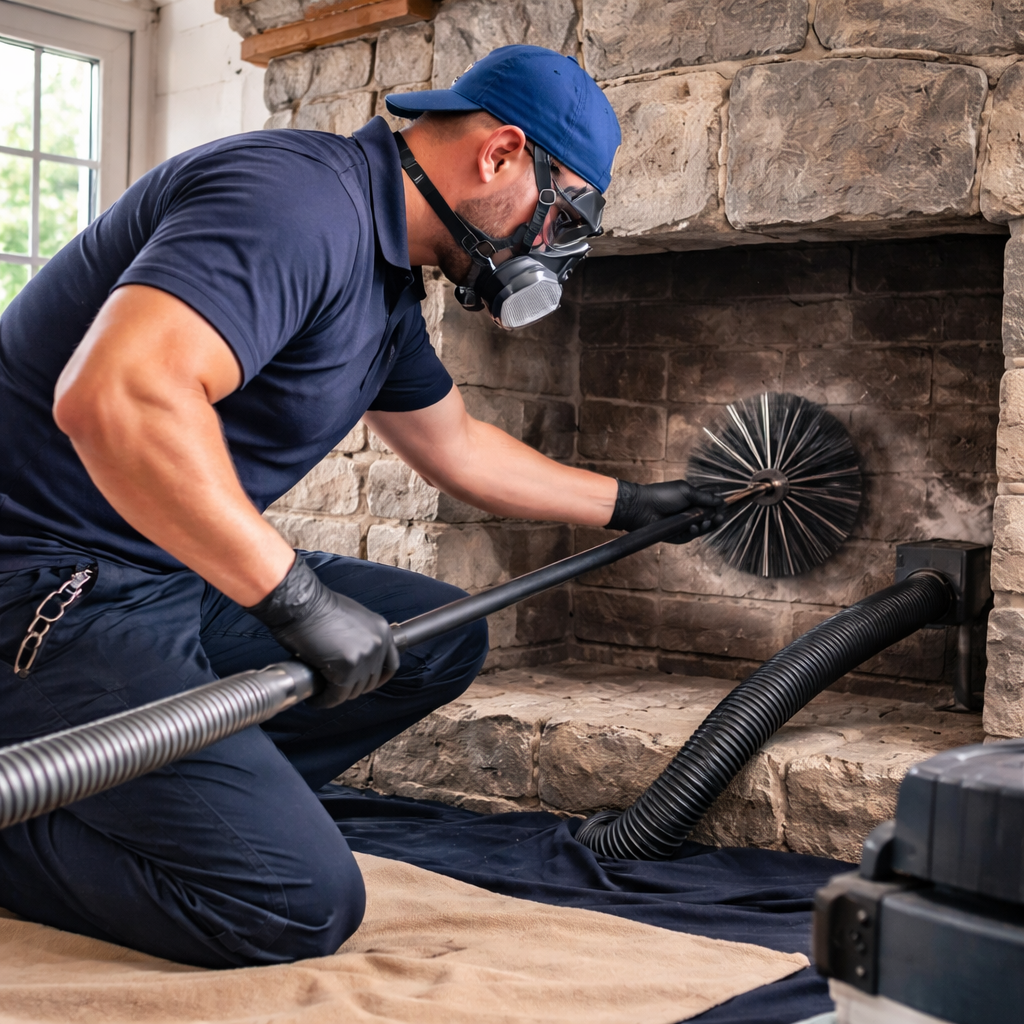
Creosote is the tar-like residue that builds up inside a flue every time wood burns. It's highly flammable, and it's the reason chimney fires happen. Our cleaning removes it from the full length of the flue, the smoke chamber, and the firebox. The appliance matters too: a wood stove and an open fireplace load a flue at very different rates.
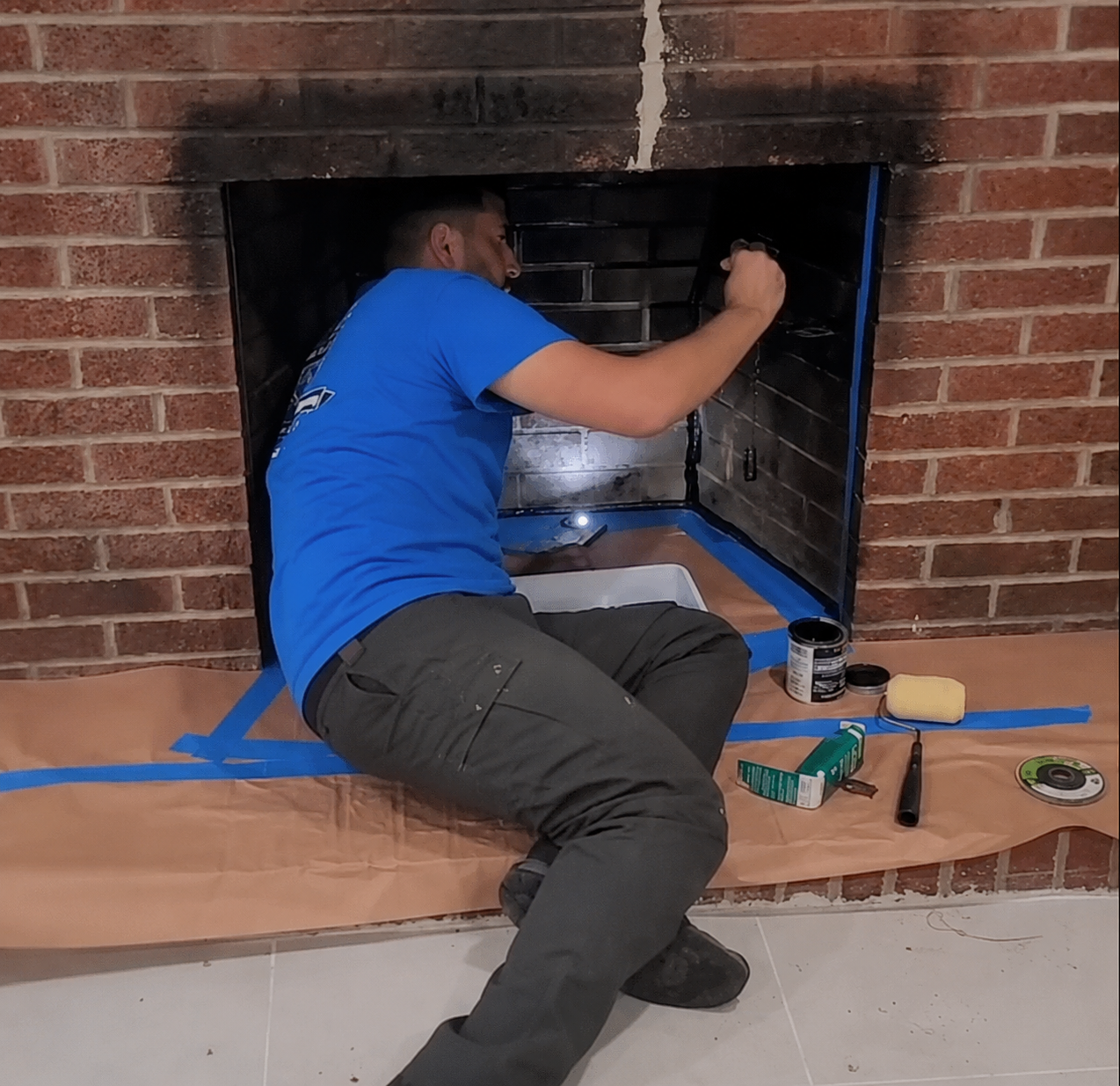
Philadelphia's cold winters and hot summers put real stress on masonry. A chimney that looked fine last spring can have cracked mortar or a failing crown by October. We handle repair work from minor mortar fixes to full masonry rebuilds. Some of that work needs a permit, and the rules change from town to town. Here is how chimney repair permits work in Wilmington, DE.
Your chimney isn't the only part of the house working quietly in the background. Air duct cleaning and dryer vent cleaning run on the same logic — better airflow, fewer fire risks, and real peace of mind when they're kept in shape on a regular schedule, all from the same family-owned team.
A clear look at your chimney's condition before any cleaning or repair begins.
Mention the $59 inspection special when you reach out.
We check the flue, crown, flashing, mortar, and firebox.
We show you the condition of your chimney directly.
A straightforward quote for any cleaning or repair needed.
Only what you approve, done right the first time.
Our $59 full chimney inspection covers the flue liner for cracks or deterioration, the chimney cap and crown, the flashing where the chimney meets the roof, the mortar joints and masonry on the exterior stack, the damper and smoke chamber, and the firebox and hearth. It's the same full inspection checklist we run on every job, not a stripped-down version.
According to the National Fire Protection Association, failure to clean creosote buildup is the leading contributing factor in home heating fires. The U.S. Fire Administration also reports that fires confined to the chimney, flue, or fuel burner make up the large majority of residential heating fires each year, and that these incidents peak in January. Regular cleaning and inspection is the most effective way to prevent that buildup before it becomes a hazard.
The general rule is once a year, before burning season starts. If you burn wood regularly, more than a few times a week through the winter, a mid-season check is worth it too. Gas fireplaces still need an annual inspection even though they don't build up creosote the same way wood does.
We show you what we find before recommending anything. If your chimney needs a cleaning, a repair, or nothing at all, you'll get a clear explanation and a straightforward quote so you can decide how to move forward. There's no pressure and no surprise add-ons.
Not with the right process. We lay down tarps, use a vacuum to catch what the brushes loosen, and clean up before we leave. Ash and soot stay contained instead of spreading through the house.
You can handle light surface dusting, but a proper cleaning reaches the full length of the flue, the smoke chamber, and the firebox — areas that are hard to access safely and easy to miss creosote in. A professional cleaning also doubles as a visual check for damage you wouldn't otherwise see.
That's usually creosote reacting to humidity in the air, especially during summer. It's a sign the flue needs cleaning, not necessarily a bigger problem, but it shouldn't be ignored season after season.
Cracked or spalling brick, a chimney crown with visible cracks, water stains near the chimney on your ceiling, and gaps in the mortar joints all go beyond what a cleaning can fix. Our inspection separates the two, so you're never sold a repair you don't actually need.
Tuckpointing means removing old, failing mortar and replacing it with fresh mortar. It's one of the most effective ways to extend the life of an older chimney without a full rebuild, and it's especially common in Philadelphia's older rowhomes where the mortar hasn't been touched in decades.
Yes. Gas fireplaces don't build up creosote the way wood-burning ones do, but the flue liner, cap, and venting still need an annual inspection to make sure combustion gases are venting properly.
Book the full inspection now and know exactly where your chimney stands before you light the first fire of the season.
Real reviews from Air Duct Dynasty customers.
Family-owned and operated by Rebecca and Avi Dadi, Air Duct Dynasty serves homeowners across Montgomery, Delaware, Chester, and Bucks counties, the greater Philadelphia region, southern New Jersey, and the Wilmington, DE area out of our Huntingdon Valley base.
Schedule your $59 full chimney inspection today and know exactly where you stand before the season starts.