Sometimes, and it is worth knowing which case you are in before you pay for it. If dust and debris are actually blowing out of your vents, or a renovation filled the system, cleaning helps. If your ducts only have the normal light coating, most of the dust on your furniture is coming from somewhere else.
Will cleaning your air ducts make your house less dusty? It will if the ducts are where the dust is coming from. That is the case when debris visibly puffs out of the supply vents, when a renovation left the system full of drywall and sawdust, or when a leaky return duct is pulling dust in from a basement or attic. In those homes, cleaning removes the source.
If your ducts only have the ordinary light layer, the honest answer is probably not. The EPA’s guide, Should You Have the Air Ducts in Your Home Cleaned?, says studies do not conclusively show that dust levels in homes go up because of dirty air ducts. Much of the dirt in ducts sticks to the duct walls and does not necessarily reach the living space.
That is why we start every job with a free inspection rather than a sales pitch. Older homes around Philadelphia are more likely to land on the “yes” side, as we covered in why older Glenside homes hold more dust in their ducts. When the ducts are the problem, our air duct cleaning covers every supply, return and register.
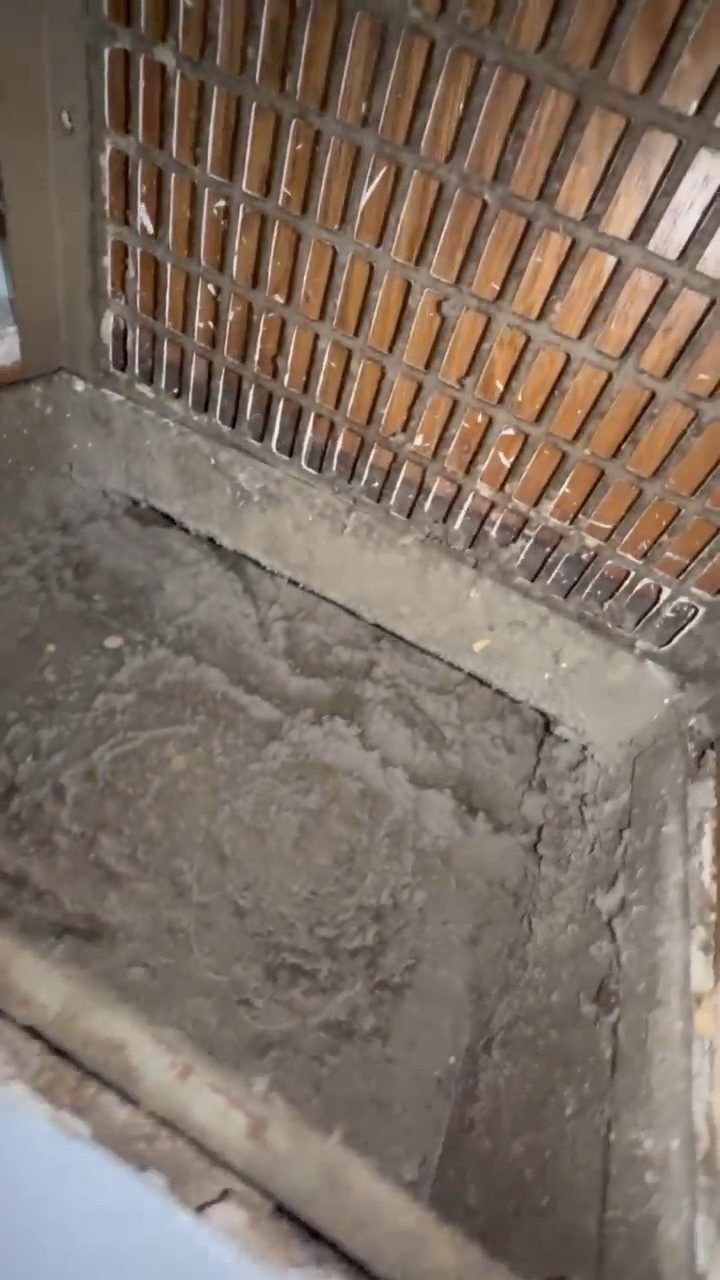
If one of these describes your house, cleaning is aimed at the right target.
A visible puff when the blower starts, or debris landing on and below a supply register. That is one of the EPA’s three reasons to clean, and the clearest sign the ducts are adding dust to your rooms.
Sanding, drywall and demolition put fine dust into the air, and a system running during the work pulls it into the returns. It then gets pushed back out, room by room, until it is removed.
Return ducts pull air toward the system. A gap in a return running through an unfinished basement, attic or crawlspace pulls that space’s dust in with it. Clean it, but seal the leak too, or the clock just resets.
Older metal ductwork loosens at the joints and seams as a house settles, and every gap is a way in for dust and insulation fibers. Something we look for in older Montgomery County homes.
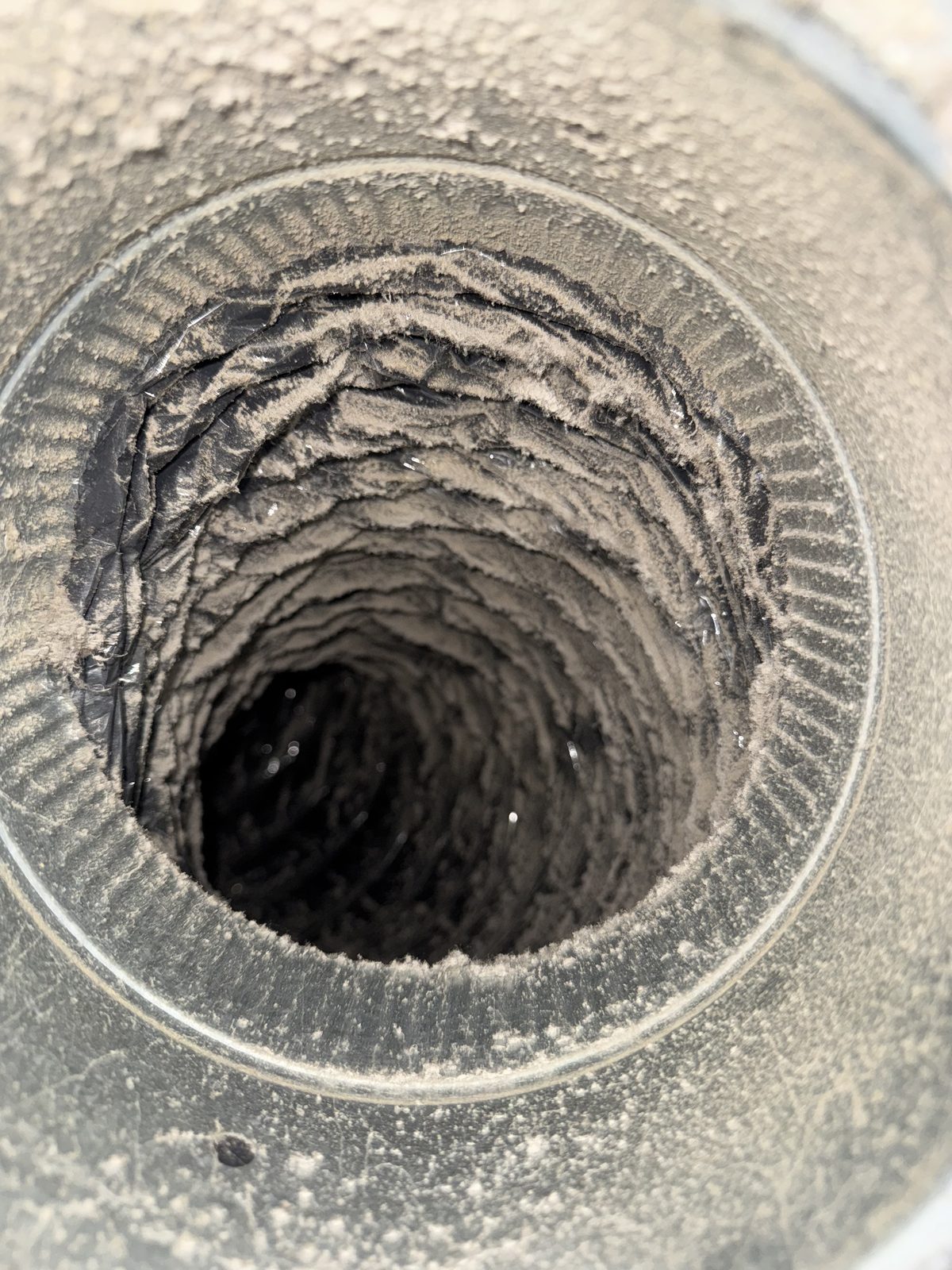
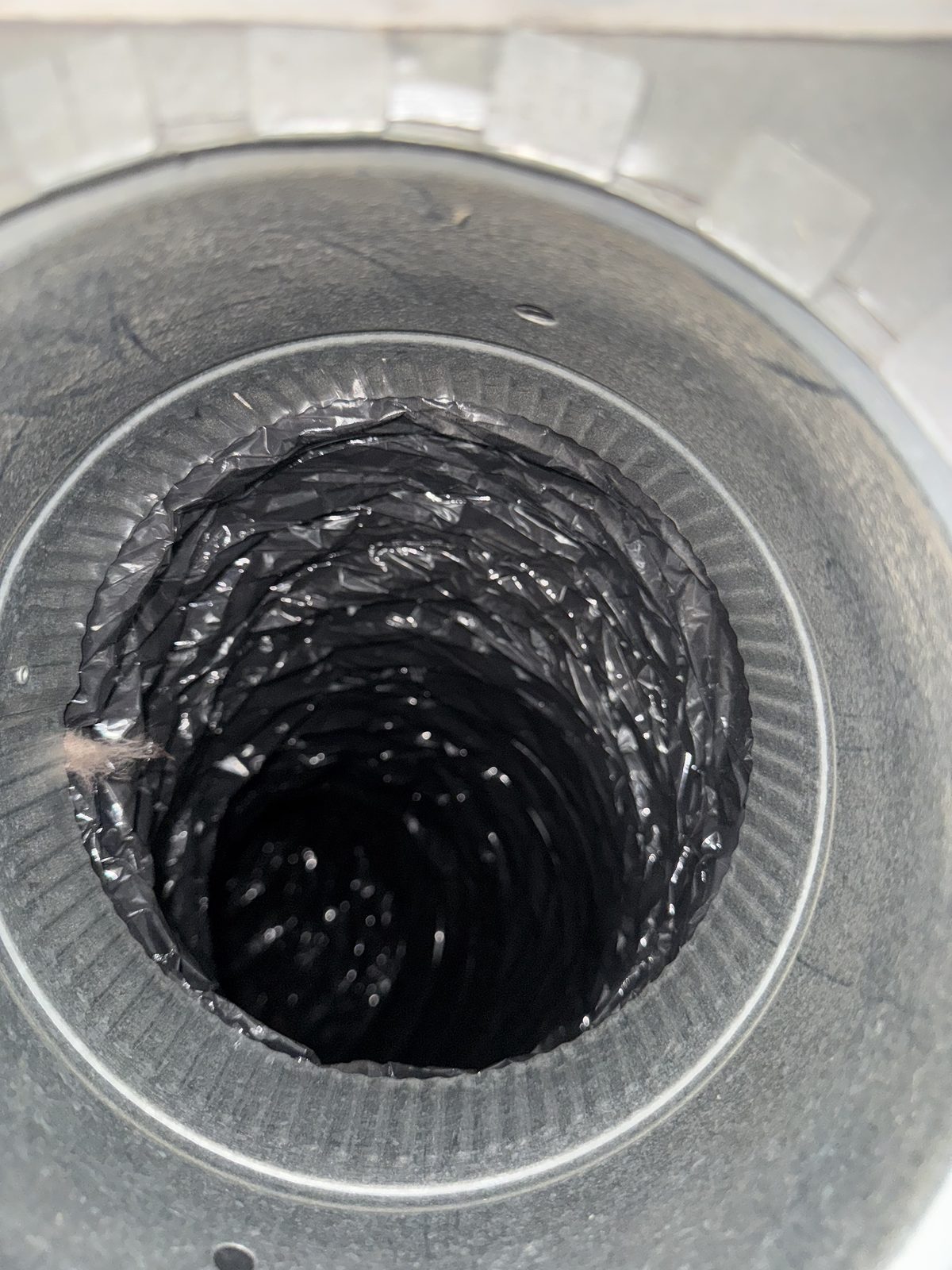
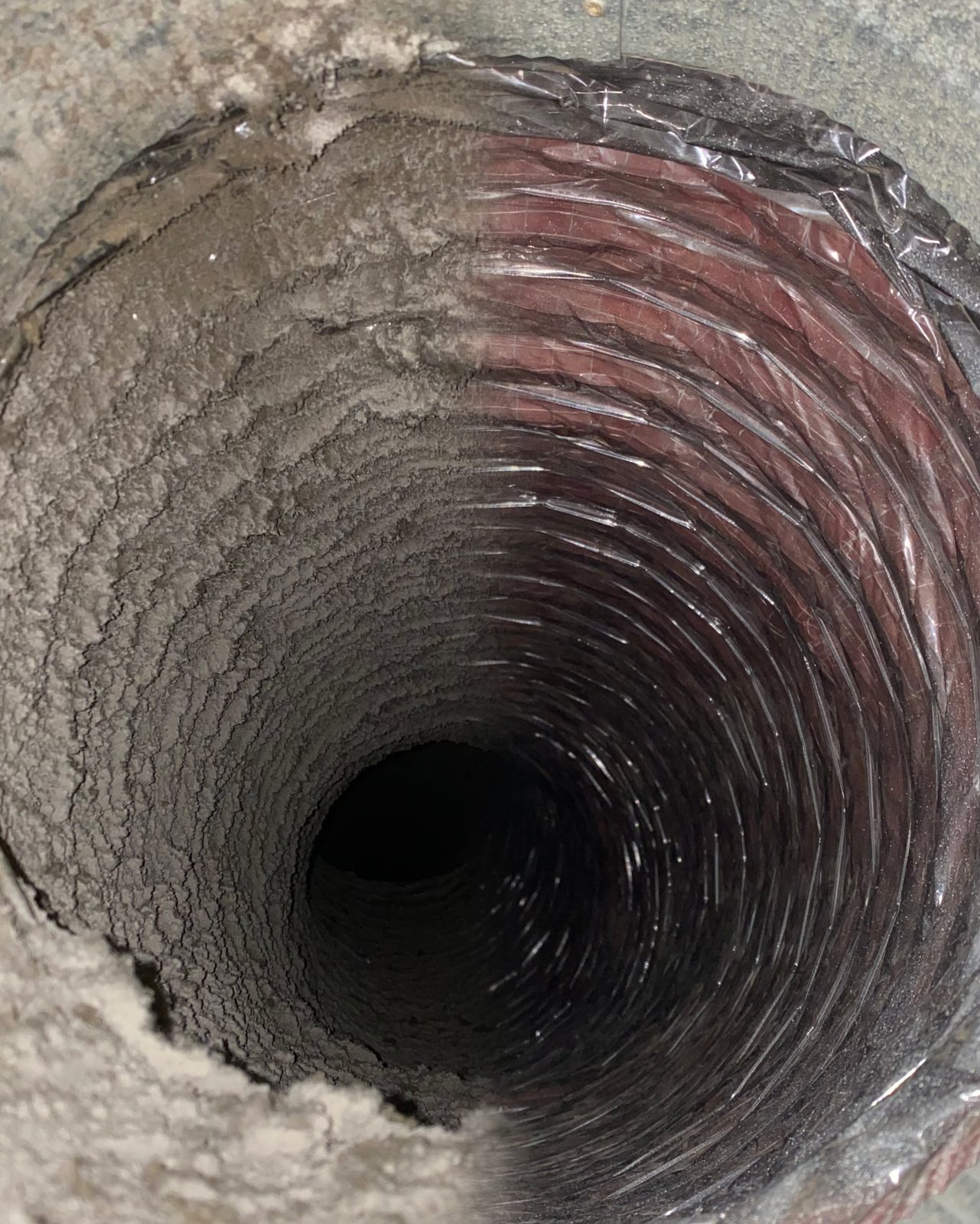
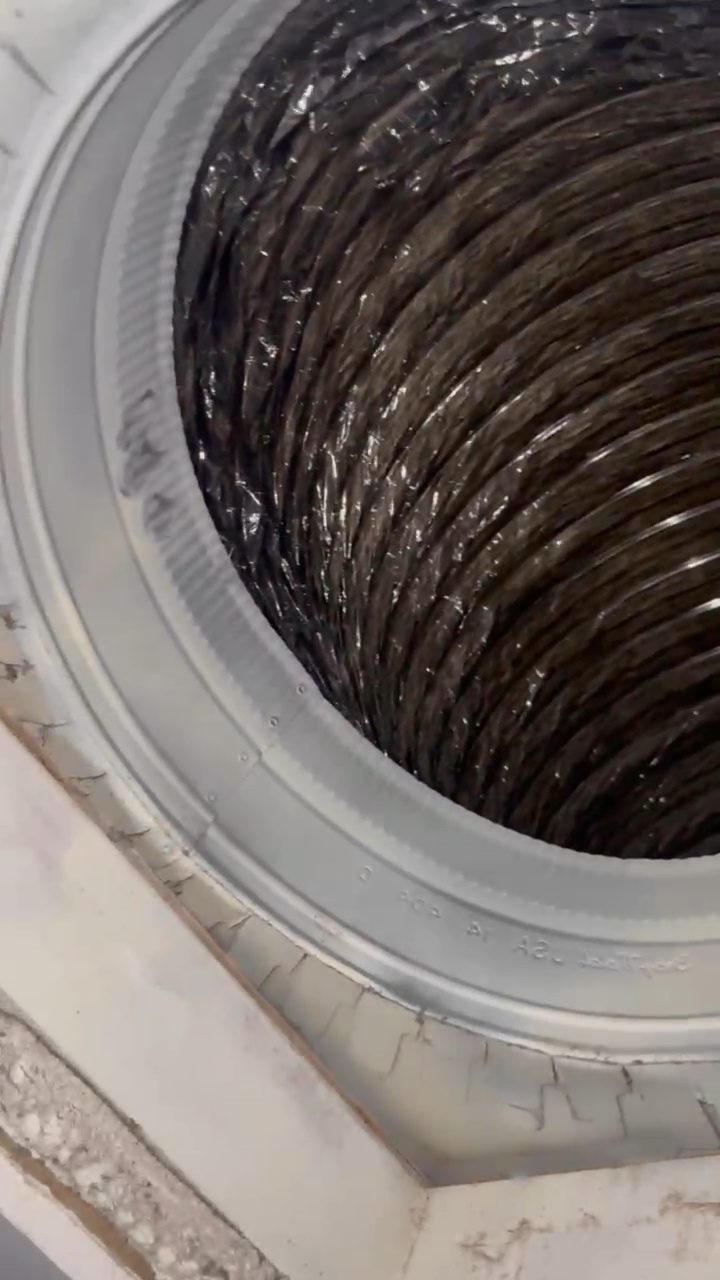
The same flexible duct from one of our own jobs, before and after. This is the kind of buildup cleaning takes out, and the kind that is worth removing.
Clean ducts stop adding to the dust. They cannot stop any of these.
These do more for everyday dust than duct cleaning ever will, and most of them cost little or nothing.
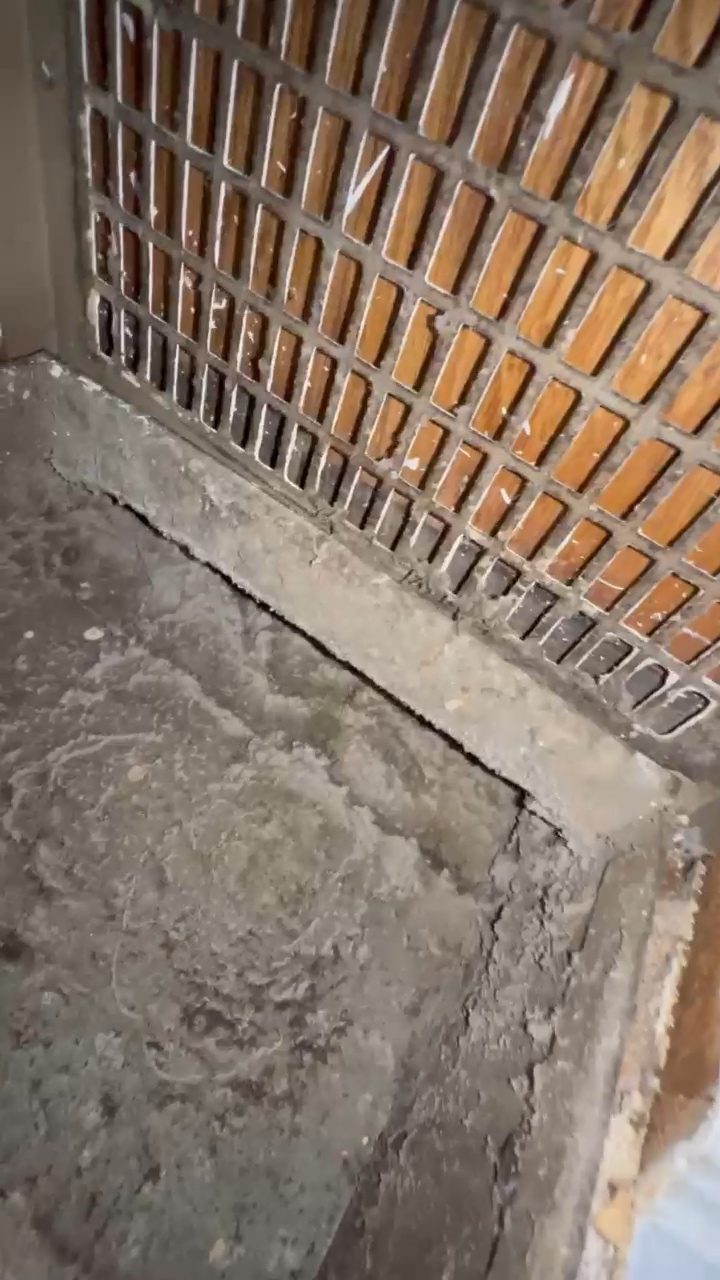
Photos from our own air duct work across the Philadelphia area.
Rebecca and Avi Dadi run the company and treat every home like their own.
Find out whether your ducts are the source before you spend anything.
Every supply, return and register, not just the ones that are easy to reach.
Philadelphia and its suburbs, South Jersey and the Wilmington area.
We are family-owned and based in Huntingdon Valley, working across Philadelphia and Montgomery, Bucks and Delaware Counties, South Jersey and the Wilmington area.
More quick answers are on our FAQ page.
Real reviews from real customers, pulled live below.
Air duct inspection. Find out whether your ducts are where the dust is coming from.
Sanitation spray, included with every air duct cleaning we do.
Dryer vent cleaning, including cleaning inside the dryer and a new flexible connector hose.
Current offers are listed on our specials page.
The questions homeowners ask most before booking a cleaning to fix a dusty house.
It will if the ducts are the source: debris blowing out of the supply vents, renovation dust left in the system, or a leaky return pulling dust in from a basement or attic. If your ducts only have the normal light layer, probably not. The EPA notes that much of the dirt in ducts sticks to the duct walls and does not necessarily reach the living space.
Most household dust starts outside the ductwork: soil and pollen from outdoors, skin flakes and pet hair, and fibers from carpets, bedding and clothes. A clean duct system stops adding to it but cannot stop those sources. A better filter, regular vacuuming and sealing leaky return ducts do more for everyday dust.
Watch a supply register when the system first turns on. A visible puff of dust, or debris collecting on the register or the surface right below it, points at the ducts. Dust that settles evenly across a room at the same rate whether the system runs or not usually points somewhere else.
It can help with the dust that passes through the system. The EPA recommends the highest efficiency filter your system's manufacturer recommends, changed regularly. Going beyond what the manufacturer recommends can restrict airflow, so check the equipment manual before buying the thickest filter on the shelf.
They can. Return ducts pull air toward the system, so a gap in a return that runs through an unfinished basement, attic or crawlspace pulls air, and dust, from that space. Cleaning removes what has built up, but sealing the leak is what stops it coming back.
Only after someone has looked. If the ducts are the source, cleaning is the fix. If they are not, the money is better spent on filters and sealing. Our air duct inspection is free, so finding out which one you have costs nothing, and every cleaning we do includes a free sanitation spray.
A free inspection looks inside your ducts, so the answer is not a guess.
Air Duct Dynasty · family-owned · 17 Simons Way, Huntingdon Valley, PA 19006