Partly. You can change the filter, vacuum the registers and wash the grilles, and those are worth doing. What you cannot do with household tools is clean the duct runs themselves. That takes equipment that holds the whole system under negative pressure while the dust is knocked loose, or you just move the dust further in.
Can you clean your air ducts yourself? You can clean the parts you can reach, and you should. Changing the filter, vacuuming the supply and return registers, and washing the grilles are real maintenance. The EPA recommends using the highest efficiency filter your system’s manufacturer recommends and changing it regularly, and it notes that return registers can simply be vacuumed or removed and cleaned.
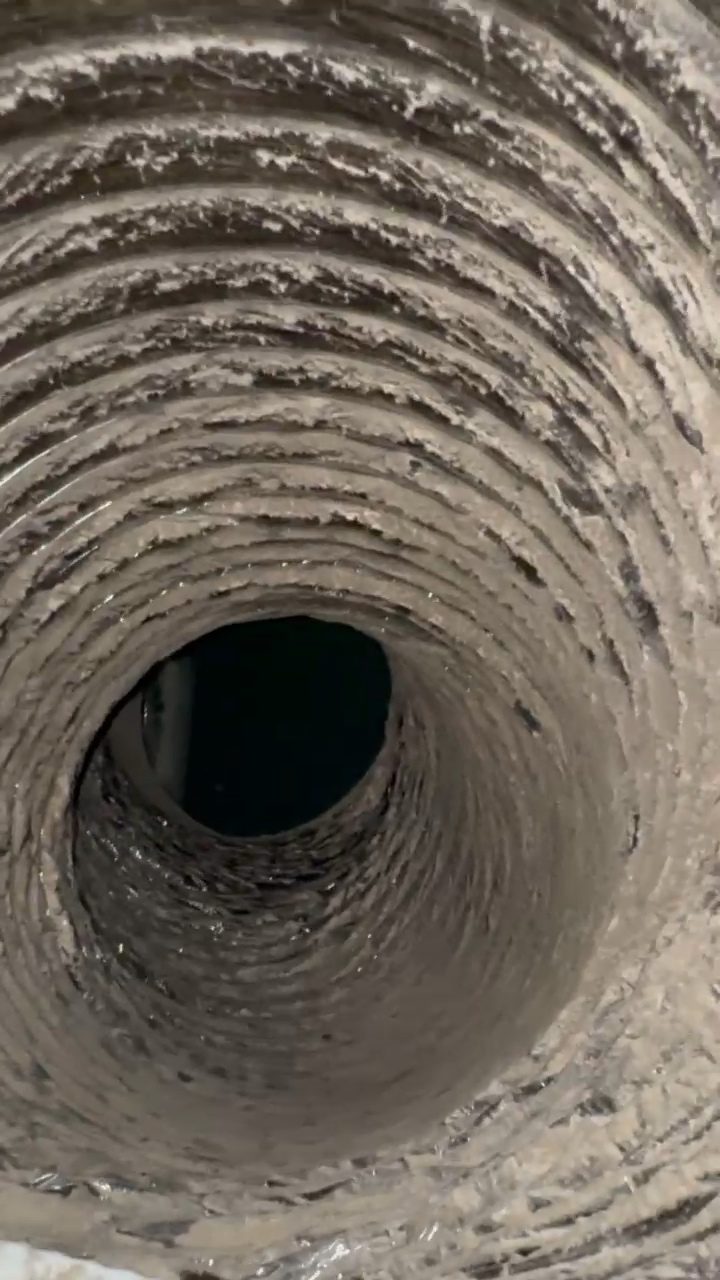
What a shop vac and a brush on a stick cannot do is clean the ductwork between the registers and the furnace. That is most of the system: trunk lines along the basement ceiling, branch runs inside walls and floors, and the elbows where debris collects. Reaching it takes a powerful vacuum that holds the system under negative pressure while brushes knock the buildup loose, so the dust gets pulled out instead of pushed deeper.
One more honest point before you do either: if your ducts only have the normal light layer of dust, you may not need anyone. The EPA says there is no evidence that a light amount of household dust in ducts poses a health risk. If you are not sure, our air duct cleaning starts with a free inspection, and the difference between cleaning and sanitizing is covered in our cleaning vs. sanitizing guide.
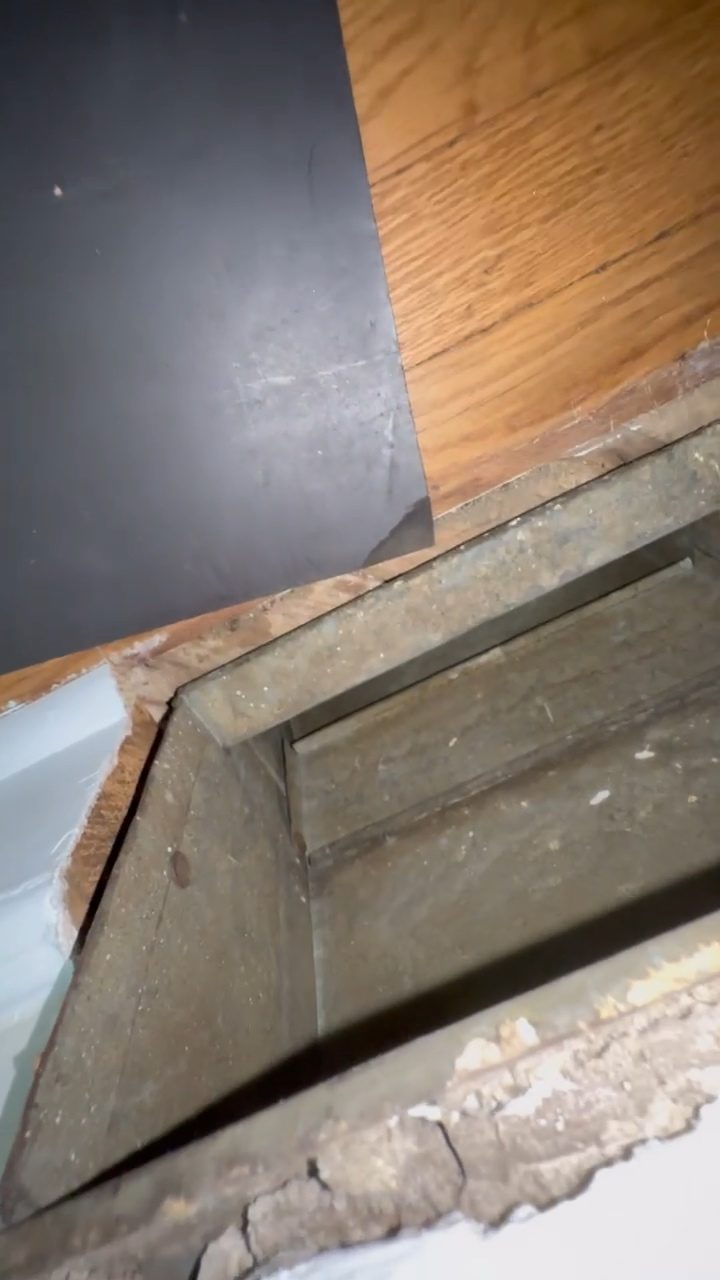
Turn the system off at the thermostat first. Then work through this list a couple of times a year.
The honest split between what you can do and what takes professional equipment.
| Task | Do it yourself | Professional cleaning |
|---|---|---|
| Filter change | Yes, on schedule | Can be replaced on the visit |
| Register and grille cleaning | Yes | Yes |
| First few inches of each duct boot | Yes, with a hose attachment | Yes |
| Branch runs inside walls and floors | No. A household vacuum does not have the reach or the airflow. | Yes, with brushes working under negative pressure |
| Main trunk lines | No | Yes |
| Collecting the fine dust | Risky. Without a HEPA filter, a household vacuum can blow fine dust back into the room. | The EPA advises equipment that exhausts outdoors, or HEPA equipment if it exhausts indoors |
Each of these turns a free afternoon into a bigger job.
Flex duct, common in additions and newer construction, tears easily under a rotating brush or a hard nozzle. A tear in an attic or crawlspace leaks air you are paying to heat and cool.
Knocking dust loose without strong suction pulling it out just sends it downstream, toward the blower and the rest of the system.
Disturbing visible growth without containment spreads it through the airflow. The EPA also says the moisture behind it has to be fixed, or it comes back.
Pulling registers or reaching toward the air handler with the system running is how people get hurt. Off at the thermostat, every time.
Fragrance or household cleaner sprayed into a vent masks an odor without removing what causes it, and damp dust sticks harder.
Fiberglass duct board and internally lined ducts need specific handling. The EPA points to insulation manufacturers’ guidance for those, not a brush kit.
ENERGY STAR estimates a typical house already loses 20 to 30 percent of the air moving through its ducts to leaks, holes and poor connections. A DIY tear adds to that number.
↑ Back to topThe EPA’s guide, Should You Have the Air Ducts in Your Home Cleaned?, lists three conditions that make cleaning worth doing. Those are also the point where DIY stops being enough.
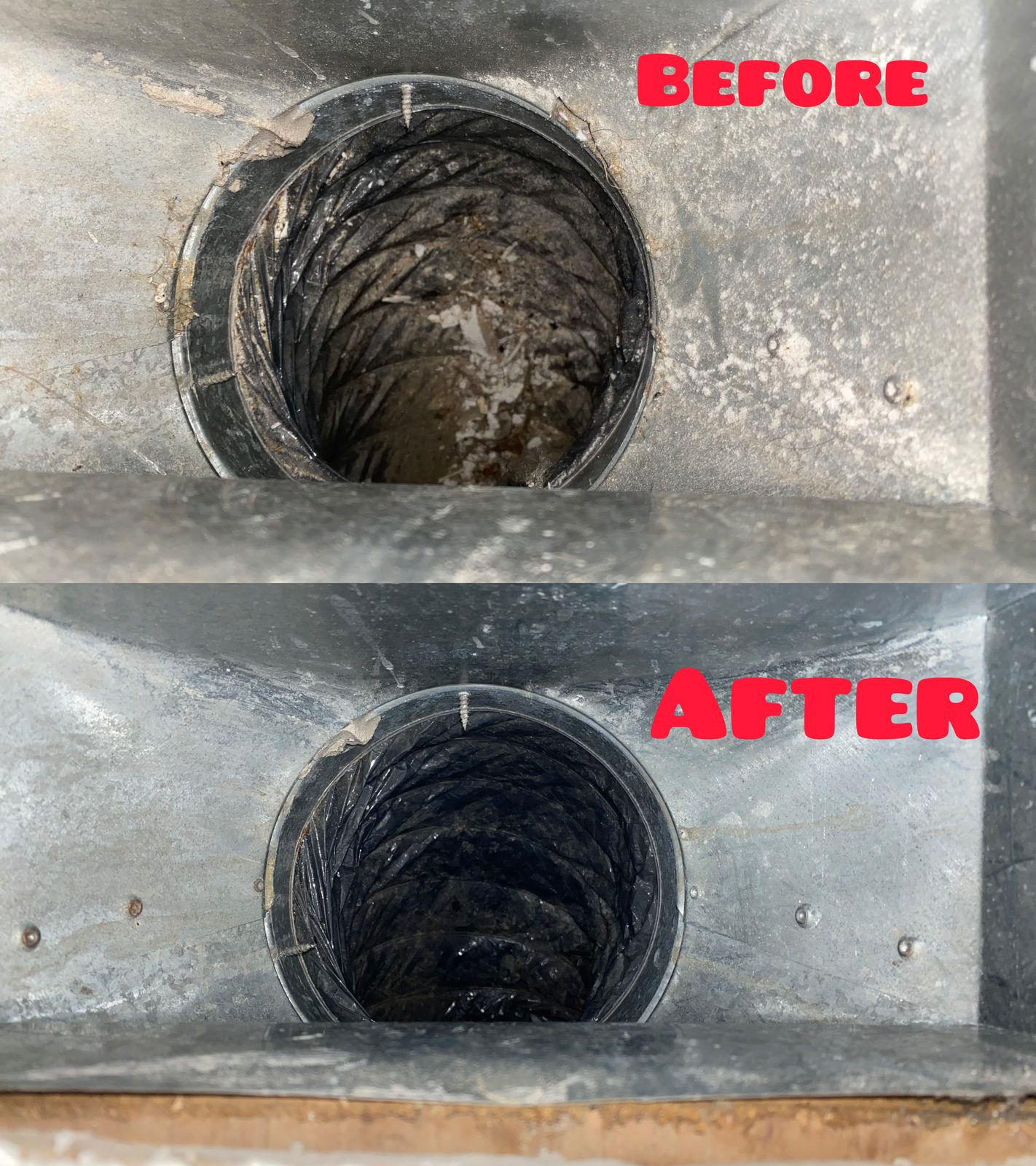
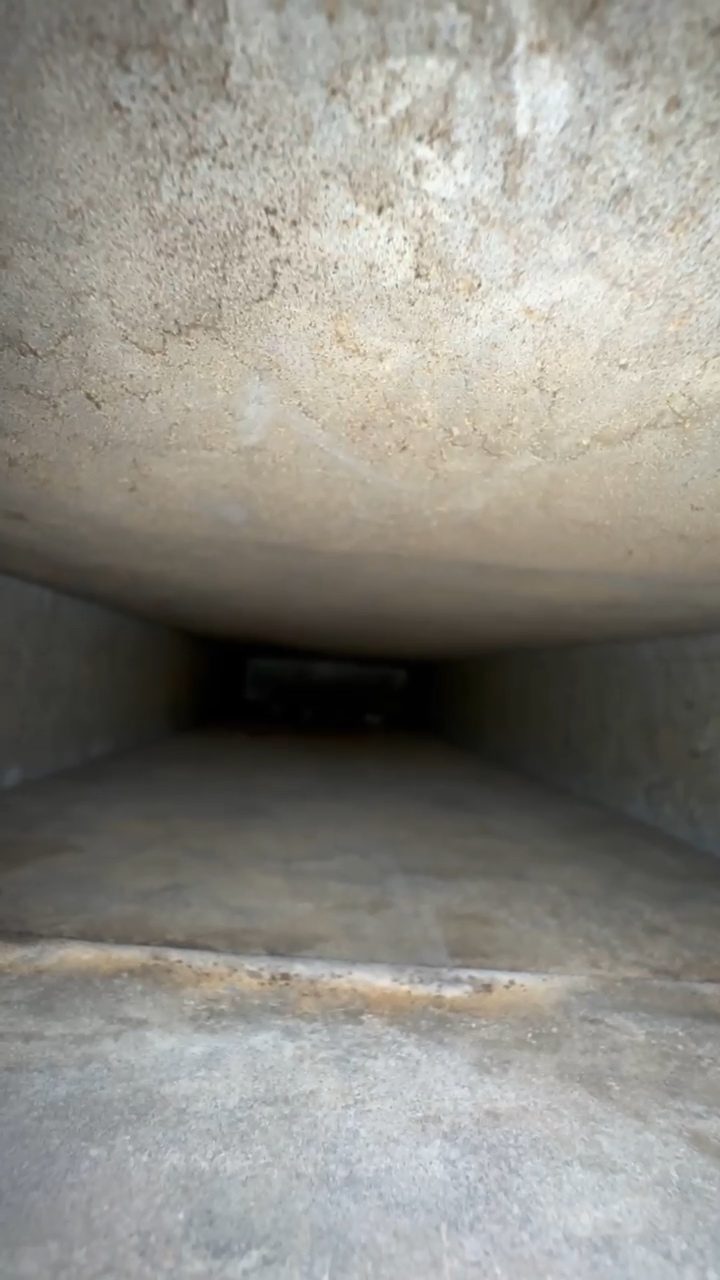
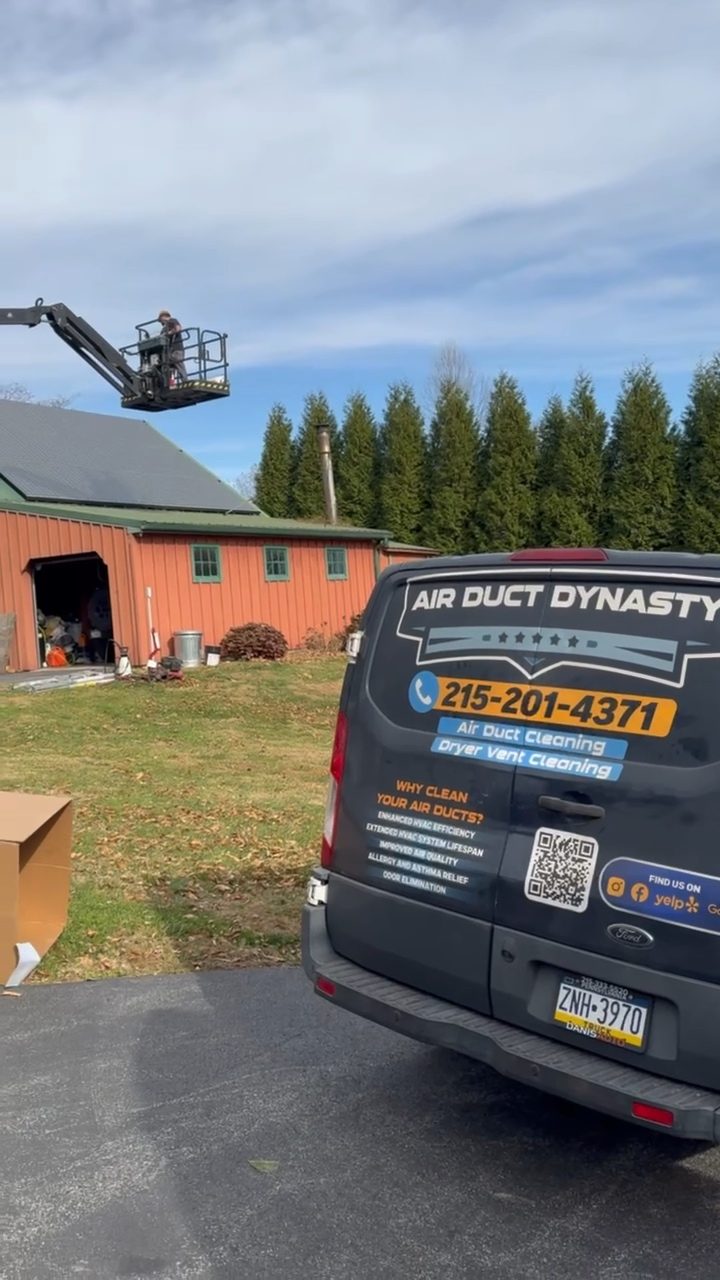
Photos from our own air duct work around Philadelphia. None of this is reachable from the register.
Rebecca and Avi Dadi run the company and treat every home like their own.
We will tell you if the filter change you already did is all it needed.
Every supply, return and register, not just the ones that are easy to reach.
Philadelphia and its suburbs, South Jersey and the Wilmington area.
We are family-owned and based in Huntingdon Valley, working across Philadelphia and Montgomery, Bucks and Delaware Counties, South Jersey and the Wilmington area.
More quick answers are on our FAQ page.
Real reviews from real customers, pulled live below.
Air duct inspection. Find out whether DIY maintenance is all your system needs.
Sanitation spray, included with every air duct cleaning we do.
Dryer vent cleaning, including cleaning inside the dryer and a new flexible connector hose.
Current offers are listed on our specials page.
The questions homeowners ask most before picking up the shop vac.
You can clean the parts you can reach: change the filter, vacuum the supply and return registers, and wash the grilles. You cannot properly clean the duct runs themselves with household tools. That takes equipment that holds the system under negative pressure while debris is knocked loose, so the dust is pulled out instead of pushed deeper.
Only the first few inches past each register. A shop vac does not have the reach or the airflow to clean branch runs and trunk lines, and unless it has a HEPA filter it can blow fine dust back into the room. The EPA advises vacuum equipment that exhausts outdoors, or HEPA equipment if it exhausts indoors.
They can loosen dust in short, straight metal runs, but loosening is only half the job. Without strong suction pulling the dust out as it comes free, it travels downstream toward the blower. Rotating brushes can also tear flexible duct, which is common in additions and newer construction.
Follow the schedule your system's manufacturer gives, and check it monthly until you know how fast your house loads it. The EPA recommends the highest efficiency filter the manufacturer recommends, changed regularly. Homes with pets, recent renovation or a busy household usually need it changed sooner.
A torn flexible duct or a loose joint leaks conditioned air into wherever the duct runs, often an attic, crawlspace or basement. ENERGY STAR estimates a typical house already loses 20 to 30 percent of the air moving through its ducts to leaks and poor connections, and a tear adds to that. Damage in a hidden run can go unnoticed for a long time.
When you see any of the three conditions the EPA lists: substantial visible mold growth, rodents or insects in the ducts, or dust and debris blowing out of the supply registers. Renovation dust and moving into a home with an unknown history are good reasons too. Our air duct inspection is free, so finding out costs nothing.
A free inspection tells you whether the filter and registers were all it needed, or whether the runs need a real cleaning.
Air Duct Dynasty · family-owned · 17 Simons Way, Huntingdon Valley, PA 19006