Nobody thinks about the dryer vent until a load of towels needs a second cycle. But that clog isn't just wasting time and electricity — it's the kind of buildup the National Fire Protection Association points to as a recurring cause of home dryer fires. Here's what Bristol homeowners should watch for, and what a professional cleaning actually clears out.
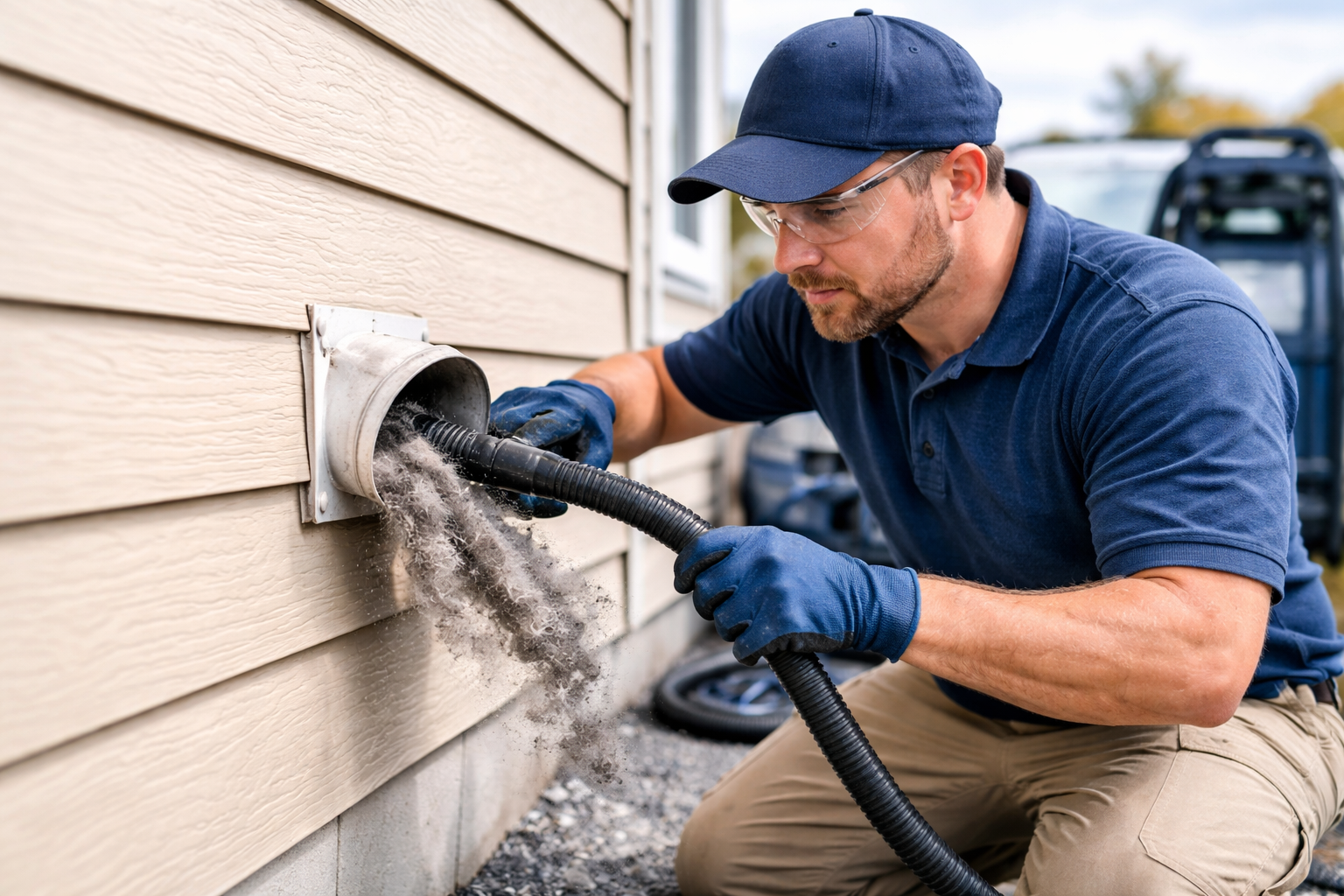
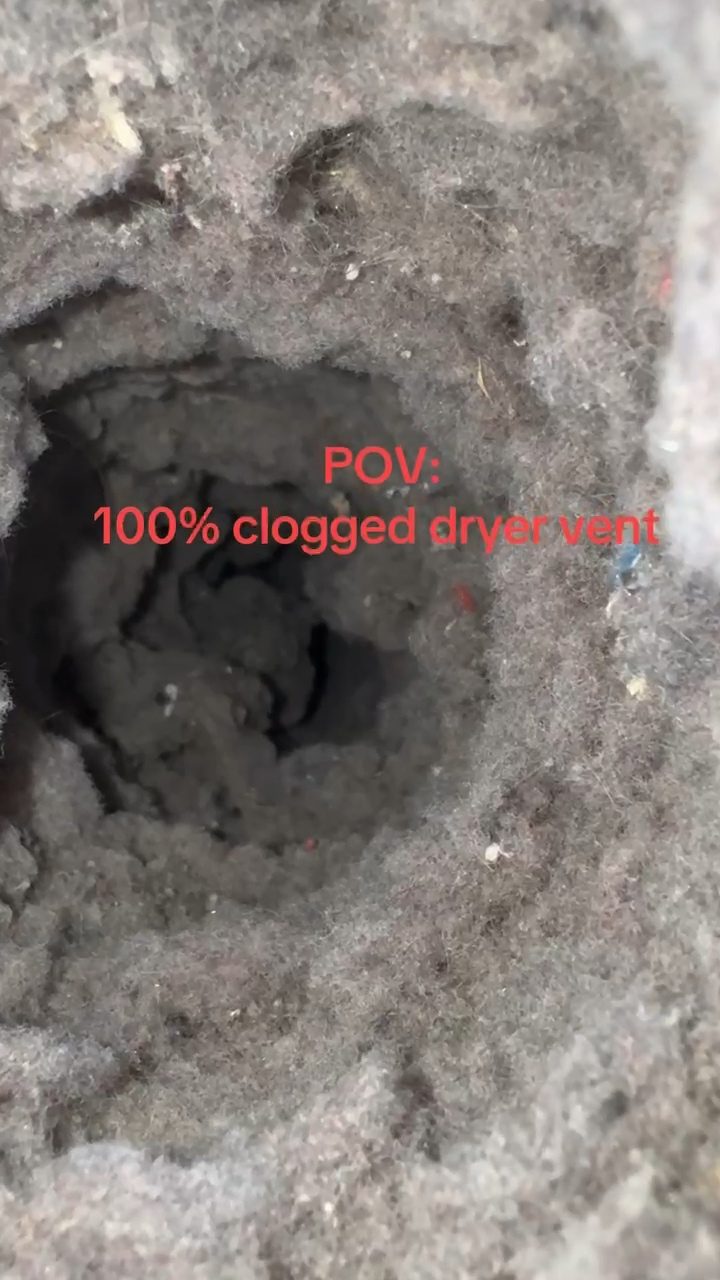
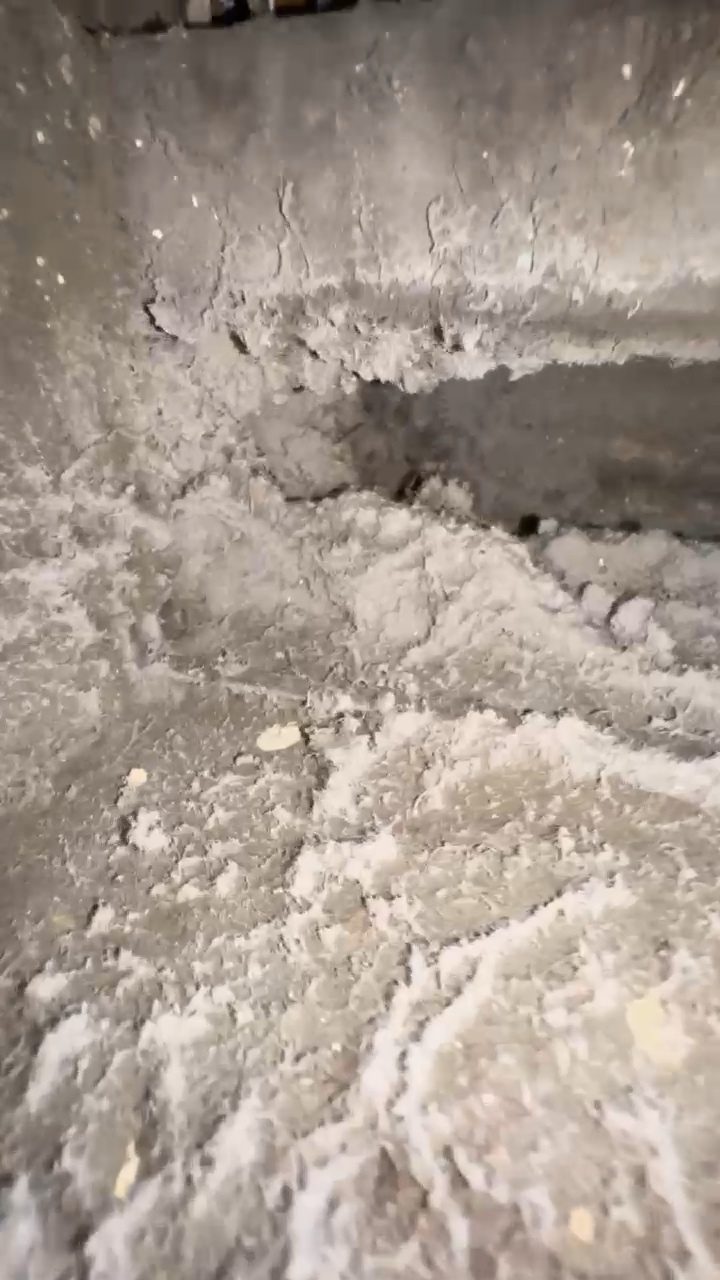
Every homeowner knows to clear the lint trap after a load. Fewer know that lint keeps traveling past the trap and settles inside the vent line itself — the duct that carries hot, moist air from the dryer to the outside of the house. That buildup restricts airflow, traps heat, and turns the vent into fuel for a fire that starts somewhere you can't see.
The National Fire Protection Association tracks clothes dryers and washing machines as a recurring source of home fires, and lint is the material most often blamed. For the full picture straight from the source, see NFPA's clothes dryer safety tip sheet.
Bristol's Mill Street area sits among Bucks County's oldest residential blocks, and many homes near the Delaware River waterfront date back to the colonial and pre-war years. Laundry rooms in these houses were rarely built with a short, straight duct run in mind — a good number vent 15 feet or more through interior walls before reaching outside air.
Longer runs and extra turns give lint more surface area to catch on the way out. A vent that would clear itself over a shorter run in a newer subdivision can quietly clog for years in one of Bristol's riverfront rowhouses, until the dryer starts taking two cycles to finish what used to take one.
The lint trap only catches part of what a load sheds. The rest travels down the vent line and settles inside the duct, out of sight and out of mind until airflow is restricted.
The farther the vent has to travel from the dryer to the outside wall or roof, the more surface area lint has to catch on. Every extra foot and every turn adds risk.
Homes near Mill Street and the Delaware River waterfront were often built before dryer venting was a design consideration, leaving longer, less direct duct runs than newer construction.
Air Duct Dynasty inspects the full vent line before any cleaning starts, so you know exactly what has built up before a technician gets to work.
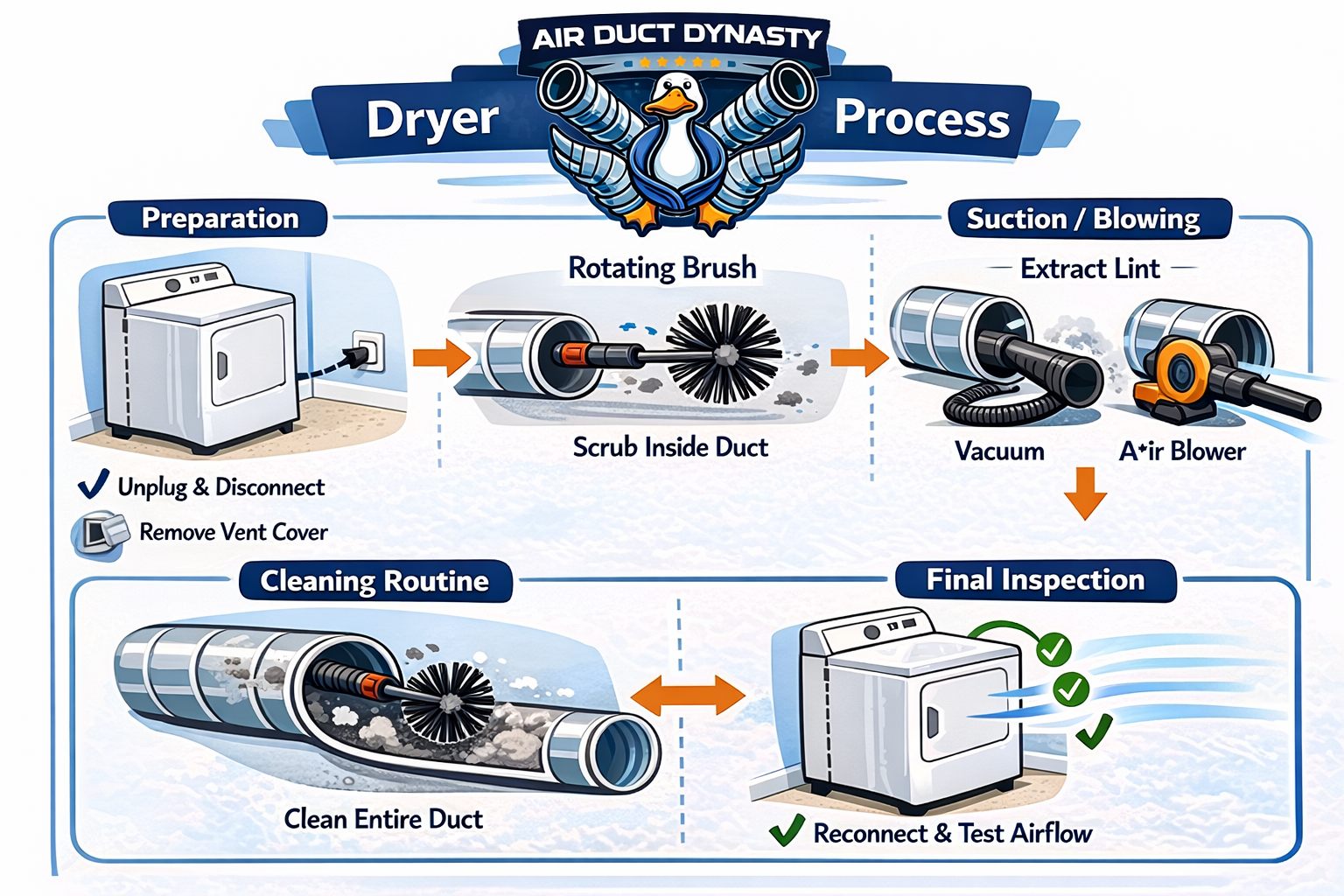
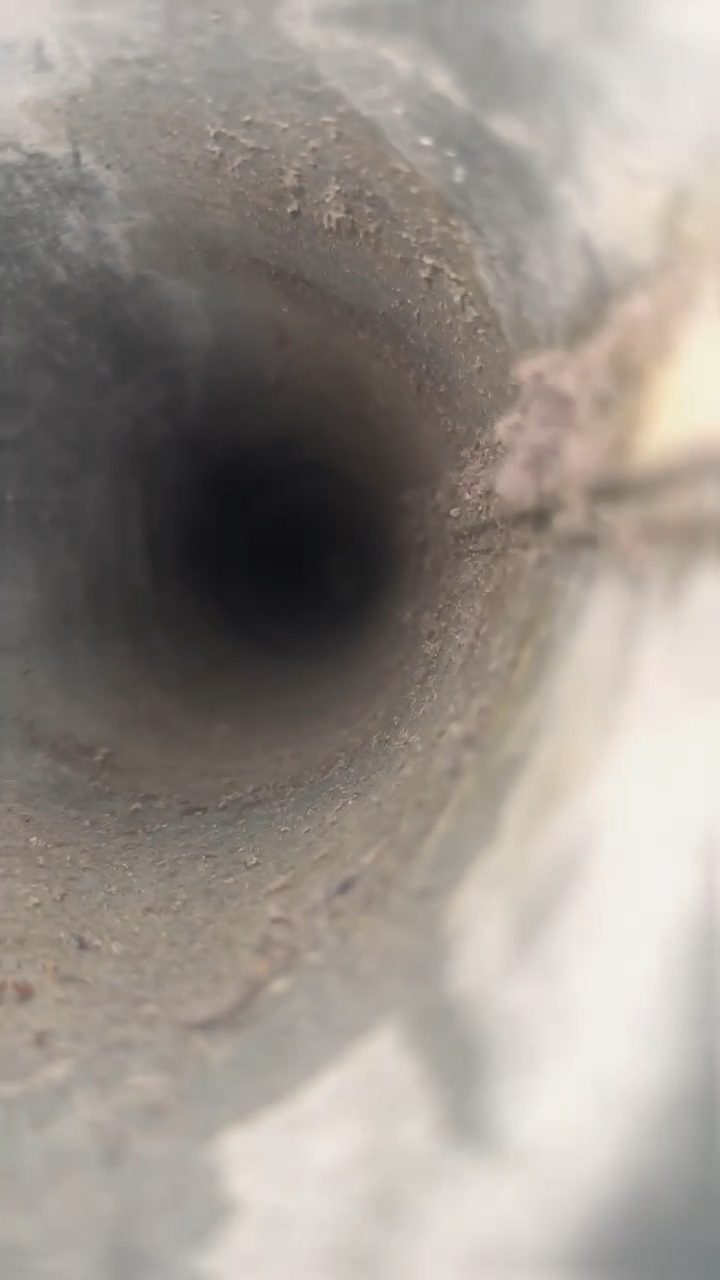
A full-line cleaning covers every section of the vent, not just what's visible from the laundry room. Here's what Air Duct Dynasty inspects and clears on every visit.
The short flexible section linking the dryer itself to the wall vent — a common spot for lint to pack tightly against kinks or bends.
The length of ducting inside the walls or floor joists. Longer runs in Bristol's older homes give lint more surface area to catch along the way.
Where the duct exits the structure. Sharp turns here are a frequent chokepoint for buildup that restricts airflow the most.
The flap-covered vent cap outside the home. A clogged or damaged hood traps moist air and lint right where it can start a fire.
The company is family-owned, founded by Rebecca and Avi Dadi, and services homes across Bucks County, including Bristol. Read more about the team, or see why Bristol homeowners choose us over a one-time handyman fix. If your home near Mill Street or the riverfront also has a fireplace, our chimney cleaning in Bristol, PA service covers another common fire-risk spot with the same inspect-first approach.
If you notice any of the following, stop using the dryer until the vent line has been inspected.
Air Duct Dynasty inspects first and explains what it finds before any work begins — no surprise upsells.
Reach out by phone or through the contact form to schedule a visit.
A technician checks the full vent line and shows you exactly what's built up.
You get a clear, honest quote before any cleaning starts.
From the connector hose to the exterior exhaust hood, the whole run gets cleared.
Faster drying, lower energy use, and one less fire risk in the house.
Clothes that stay damp after a full cycle, a dryer that runs hotter than usual, a burning smell, or visible lint around the outside vent hood are the clearest signs. If you notice any of these, stop using the dryer until the vent is inspected.
Most homes need a professional dryer vent cleaning once a year. Bristol's older housing stock near the Mill Street area often has longer vent runs from pre-war laundry setups, which can trap more lint and may call for cleaning every 6 to 9 months.
Yes. A blocked vent forces the dryer to run longer and hotter to dry the same load, which uses more electricity or gas and adds wear on the machine. Clearing the vent restores normal drying times and lowers energy use.
A full cleaning covers the entire vent line from the dryer to the exterior exhaust, including the connector hose, any elbows or turns in the interior duct run, and a check of the exhaust hood to make sure it opens and closes freely.
One of Bucks County's oldest residential blocks, with laundry setups that predate modern venting standards and often mean longer duct runs.
Colonial and pre-war homes near the riverfront frequently vent 15 feet or more through interior walls before reaching outside air.
An in-home inspection tells you exactly what's built up in your line. Bristol homeowners can book a full dryer vent cleaning today.
Real reviews from Air Duct Dynasty customers, pulled live below.
Air Duct Dynasty is family-owned by Rebecca and Avi Dadi, serving homes across Bucks County and the greater Philadelphia area.
Book a full dryer vent cleaning for your Bristol home today.