“Chimney inspection” is really three different jobs, defined in NFPA 211. Which one you need depends on what has changed since somebody last looked. Most homes, most years, need a Level 1. Here is what each level covers, what triggers it, and what should make you ask questions about a quote.
“Chimney inspection” sounds like one thing. It is actually three, and they are defined that way in NFPA 211, the national standard for chimneys and vents. The levels exist because the amount of looking a chimney needs depends entirely on what has changed since the last time somebody looked.
A system that has been running the same way for years, with no problems, needs a different kind of visit from one that has just had a chimney fire, or is about to change hands, or is being connected to a new appliance. Sending the same inspection to all three would either waste the homeowner’s money or miss something that matters.
Most Montgomery County homes, most years, need a Level 1. Below is what each level actually covers and what triggers it, so you know what you are being quoted for. Our standard chimney inspection is $59, and how we work is the short version of why we lead with the look rather than the quote.
Each level includes everything in the level below it. They are cumulative, not alternatives.
The routine visit for a system that has not changed and is not misbehaving. Readily accessible portions only, with no special tools or dismantling.
Everything in a Level 1, plus access to spaces the routine visit skips and a camera pass down the flue itself.
Everything above, plus removal of concealing components where that is the only way to reach a suspected problem. Rare, and never a first step.
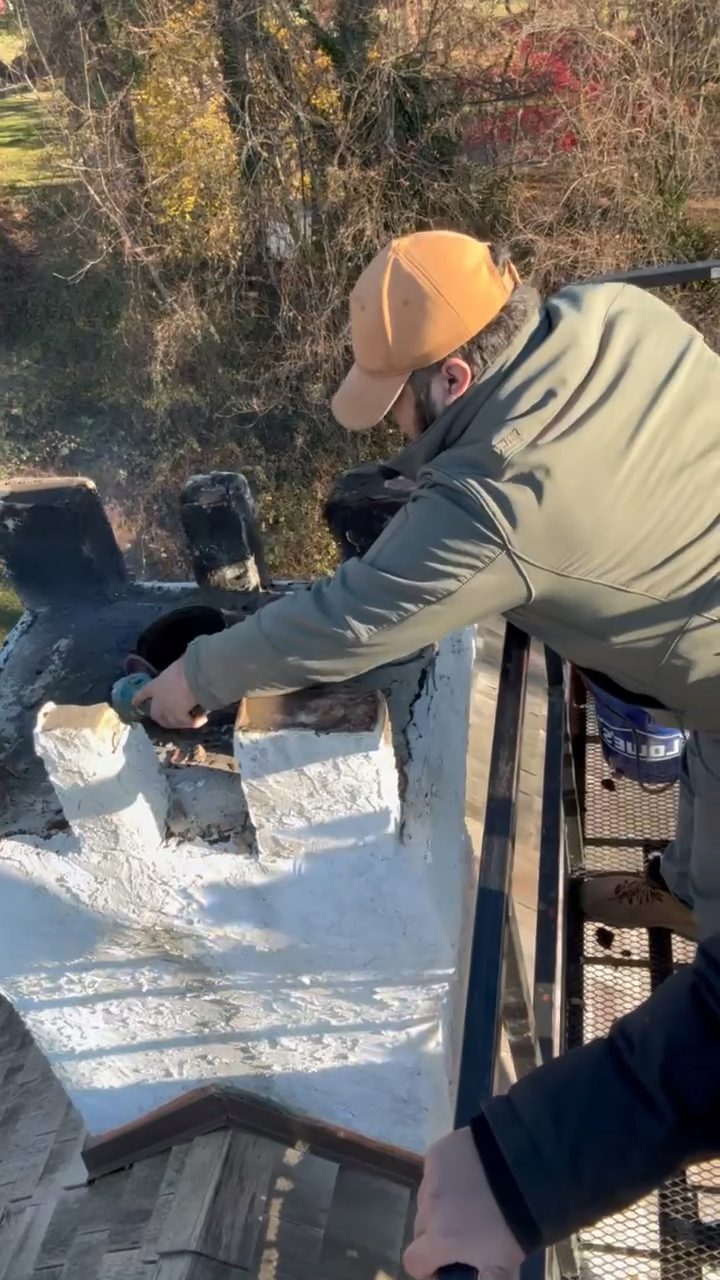
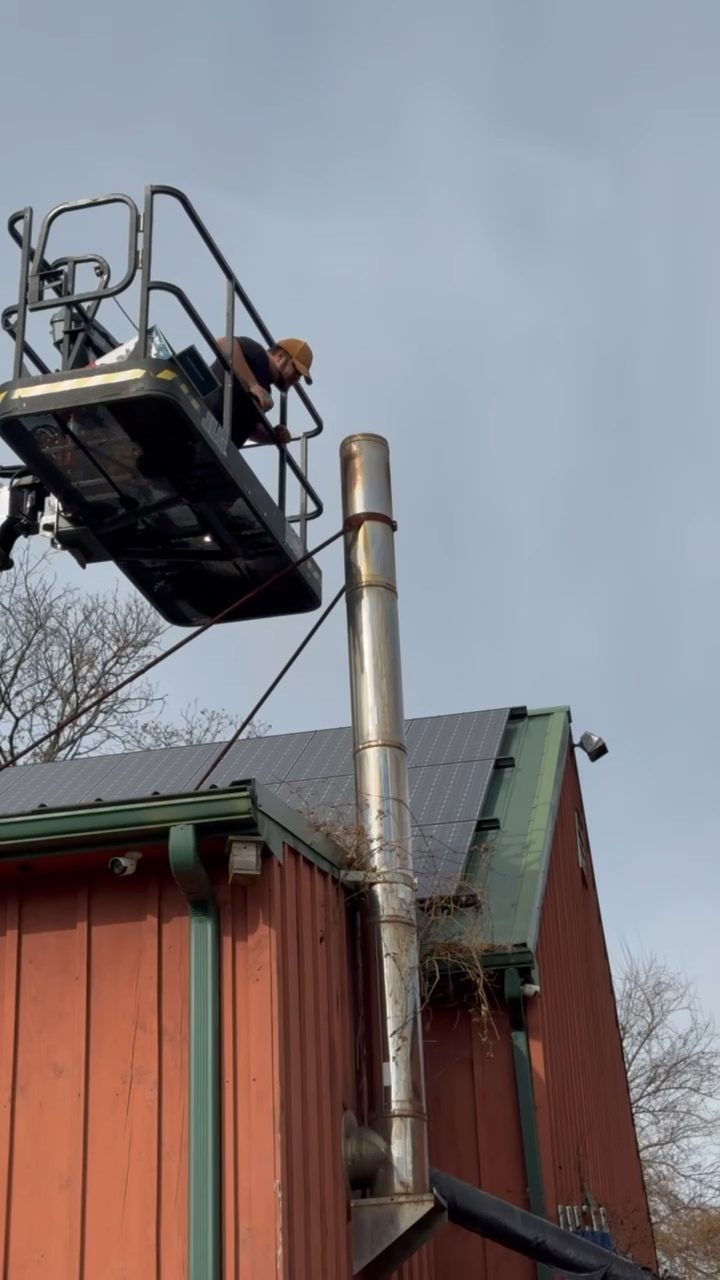
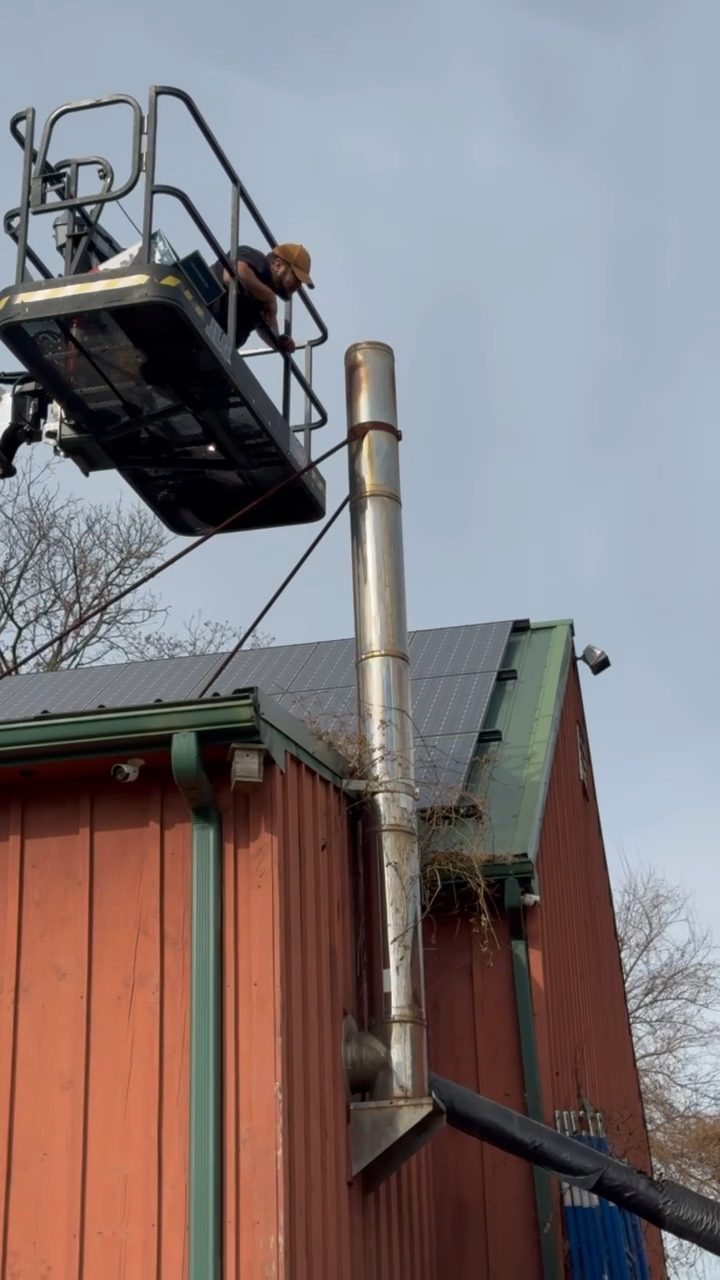
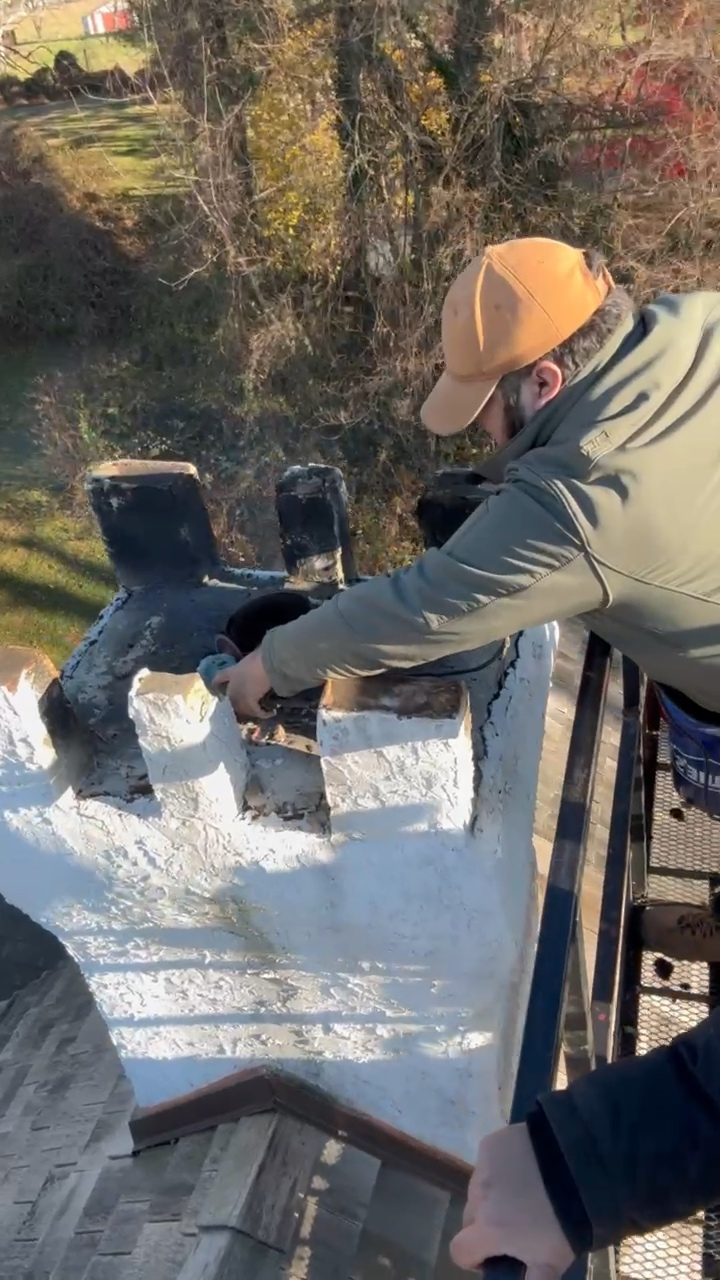
Photos from our own chimney work around Montgomery and Bucks counties. Most of what determines a chimney’s condition sits at the crown, which is why the level of access matters as much as the level of inspection.
In practice the answer is almost always Level 1, unless one of these is true.
We start at Level 1 and escalate only if what we find warrants it. You are told before that happens, not after.
Tell us anything that has changed since last season.
Accessible interior and exterior, appliance and connection.
You see the condition before any recommendation is made.
If a Level 2 is warranted, we explain why before starting.
Any repair is quoted after the look, never before it.
Straight answers on what each level covers and when it applies.
They are three depths of the same inspection, defined in NFPA 211, and each includes everything in the one below it. A Level 1 covers the readily accessible portions of the chimney and appliance and confirms the flue is clear and sound. A Level 2 adds accessible attics, crawl spaces and basements plus a video scan of the flue interior. A Level 3 adds removal of concealing components where that is the only way to reach a suspected serious hazard.
A Level 1 for a routine annual check on a system that has not changed and is working normally. That covers most homes most years. You move up to a Level 2 when the property is being sold, after a chimney fire or other external event, or when the system itself changes, such as a new appliance, a different fuel, or a new liner.
Because a property transfer means somebody is taking on a system nobody in the transaction has actually seen inside. A Level 2 includes a video scan of the flue along its length, which is the only way to establish the condition of the liner without dismantling anything. It protects the buyer, and it protects the seller from a dispute later.
No, and it should not be. A Level 3 involves removing or demolishing concealing components such as sections of wall or chimney crown to reach a hidden area. It is only appropriate when a serious hazard is genuinely suspected and cannot be confirmed any other way, and it is never a first step. If somebody opens with a Level 3 quote, ask what they found that warrants it.
Yes. An annual inspection is about the condition of the structure as much as the soot in it. Crowns crack, caps come loose, liners deteriorate, and animals move into flues that sit unused. A fireplace that is rarely lit is arguably more likely to have something living in it, not less.
Our chimney inspection is $59. That is a Level 1 visit, which is what the large majority of homes need in a normal year. If what we find means a deeper look is genuinely warranted, we explain why and what it involves before doing anything further, rather than escalating quietly and presenting the bill afterwards.
A $59 Level 1 inspection, with anything deeper explained before it starts.
Real reviews from real customers, pulled live below.
Air Duct Dynasty is family-owned, based in Huntingdon Valley, PA, and serves Montgomery, Bucks, Delaware and Chester counties plus South Jersey and the Wilmington area.
Air Duct Dynasty — family-owned, serving the greater Philadelphia region.