Inspected once a year, swept whenever that inspection finds enough buildup to warrant it. That is the standard. What actually moves your number is what you burn, how much of it, and how dry it was, which is why we look before we recommend anything. Inspections are $59.
The short answer is once a year for an inspection, and a sweep whenever that inspection finds enough buildup to warrant one. That is the standard, and it is the answer most Jenkintown homeowners are looking for.
The honest answer is that “how often should I sweep” is the wrong question on its own, because two houses on the same block can need wildly different schedules. A borough twin where the fireplace gets lit six times between Thanksgiving and February is not on the same clock as a house running a wood stove as a real heat source from October to April. The variable is not the calendar. It is how much wood goes up the flue and how hot it burns on the way.
So the useful version of the answer is a short list of things that move your number, which is what the rest of this page is. If you would rather just have somebody look, our chimney services inspection is $59. We also cover air duct cleaning in Jenkintown if you want both done on one visit.
Ranked roughly by how much difference they make. The first two matter far more than the second two.
A wood-burning appliance produces creosote. A gas appliance produces very little. If you burn wood at all, you are on the annual clock; if the fireplace is gas and nothing else, the annual visit is about the flue’s condition and venting rather than about soot.
This is the big one. A dozen fires a winter and a stove burning most evenings from October through March are different orders of magnitude. Volume of wood through the flue is the closest thing to a direct measure of buildup.
Wet or green wood burns cooler, which means more of the smoke condenses on the way up instead of leaving as gas. EPA Burn Wise covers this well: seasoned wood is not just an efficiency question, it directly changes how fast your flue loads up.
A stove damped down overnight for a long, slow burn keeps flue temperatures low for hours, which is precisely the condition creosote forms in. The same stove run hot and short deposits noticeably less.
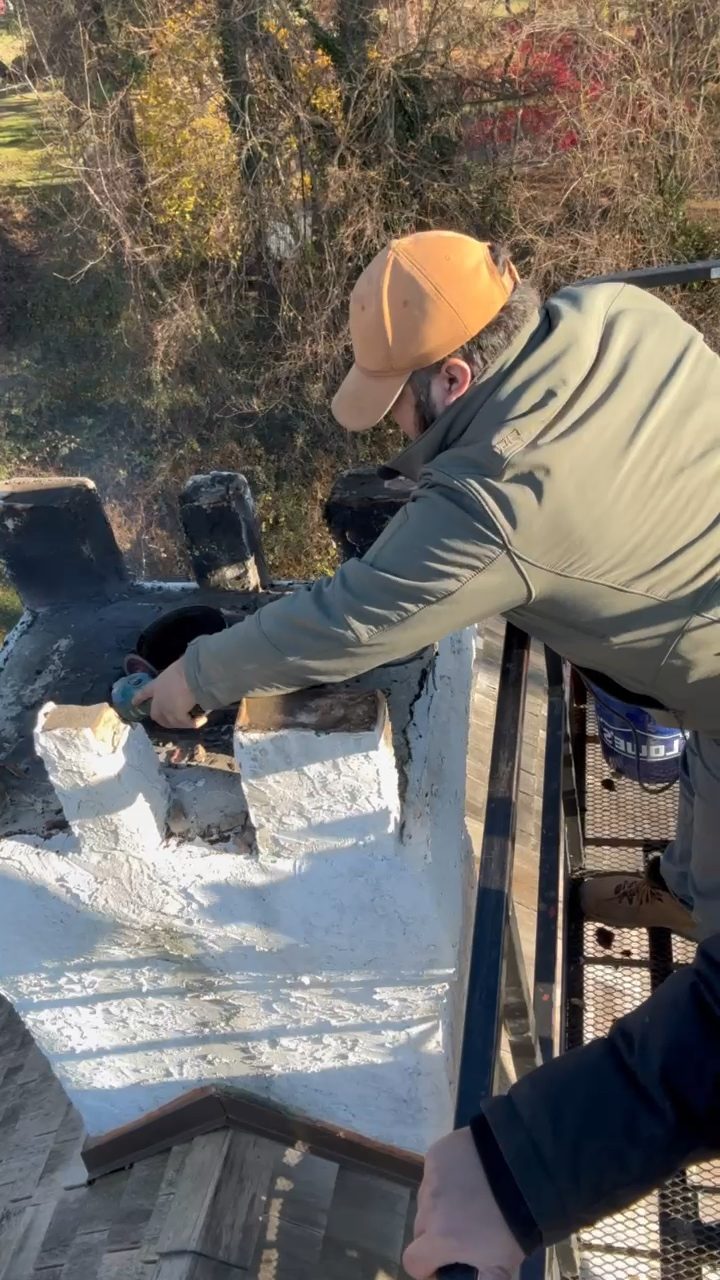
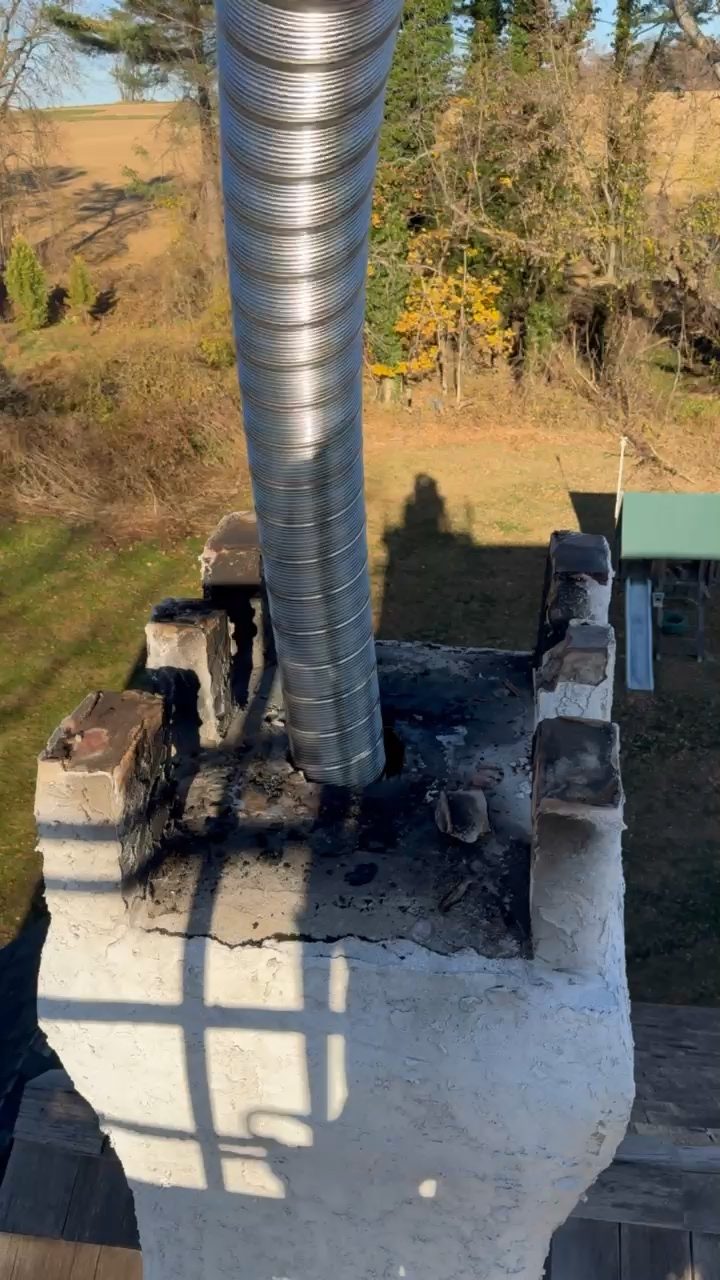
Photos from our own chimney work. The decision is made on what is actually on the flue walls, not on how long it has been since the last visit.
If you remember one measurement from this page, make it this one. The Chimney Safety Institute of America treats roughly an eighth of an inch of creosote buildup on the flue walls as the point at which a chimney should be swept before it is used again. It is the closest thing the trade has to a bright line.
That is a useful standard precisely because it is not a calendar. It does not care whether it has been eleven months or five. It is a measurement of the actual condition of your actual flue, which is the only thing that genuinely determines whether the next fire is a good idea.
It also explains why we inspect annually and sweep as needed, rather than selling a sweep every year on principle. Some Jenkintown homes need one every season. Some need one every third season. The inspection is what tells you which you are.
↑ Back to topYou get the condition first and the recommendation second, in that order, every time.
Call or use the contact form.
Damper, smoke shelf and the base of the flue.
We check the deposit against the eighth-inch threshold.
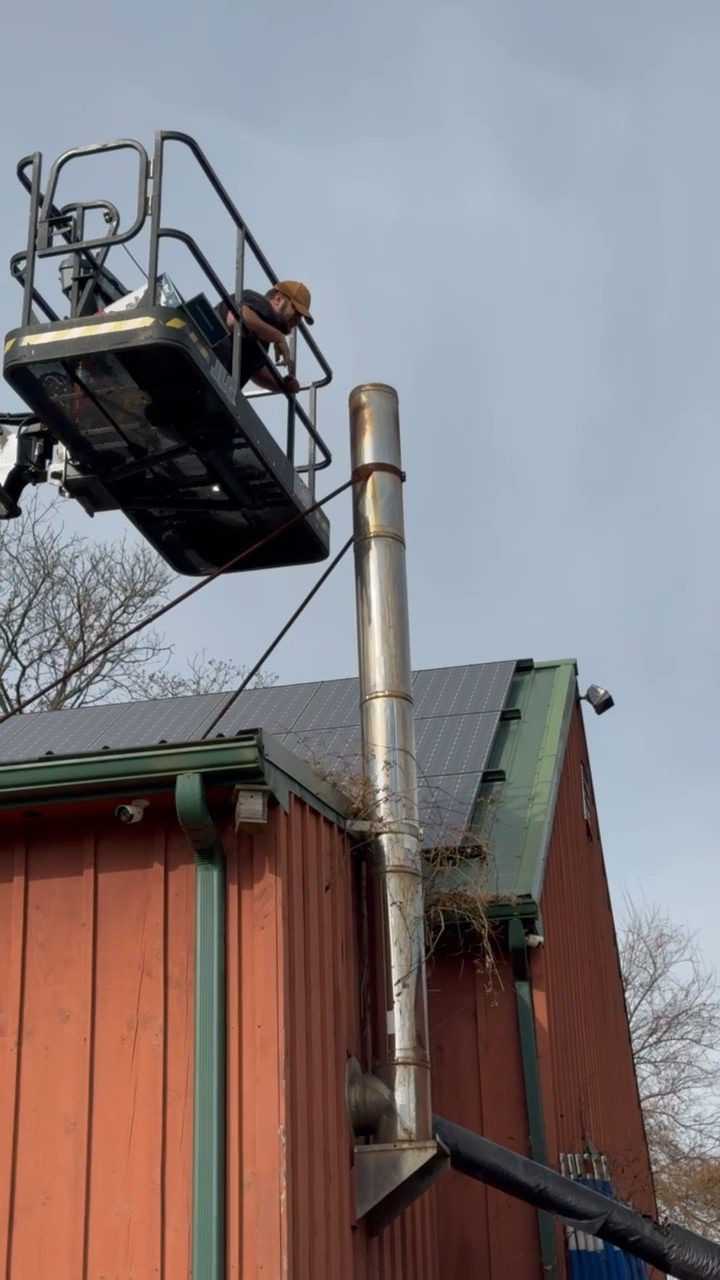
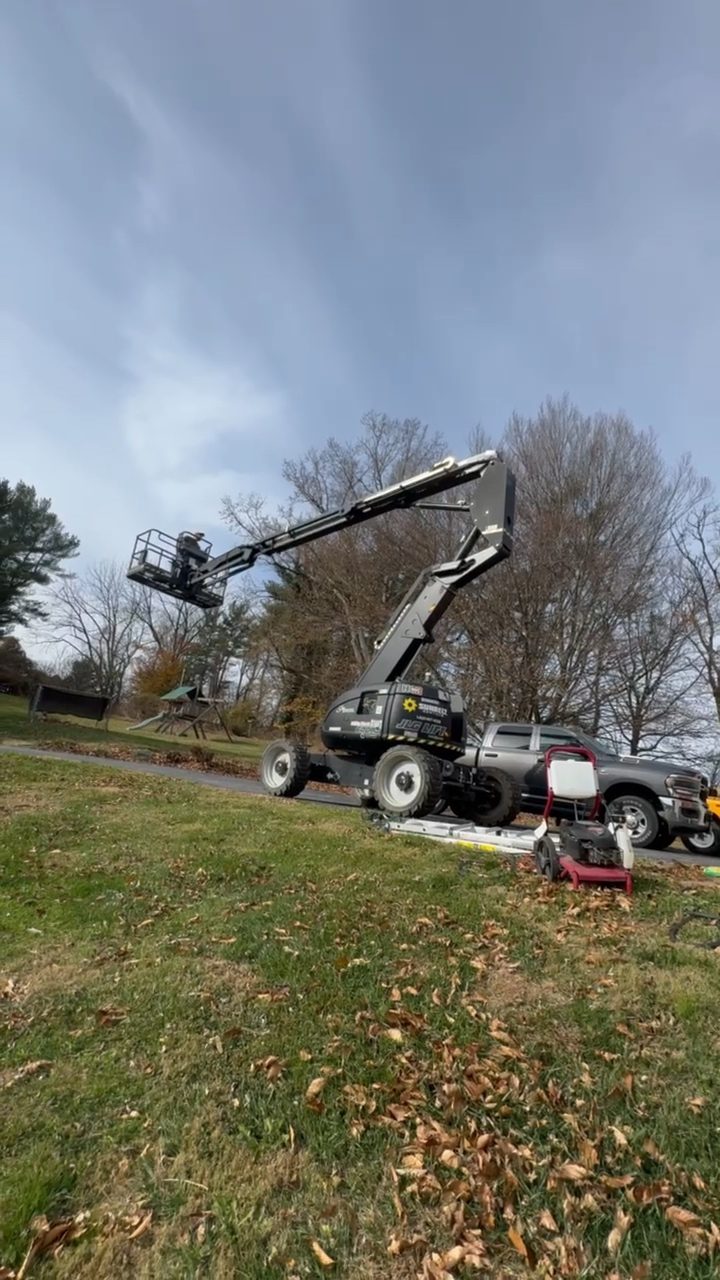
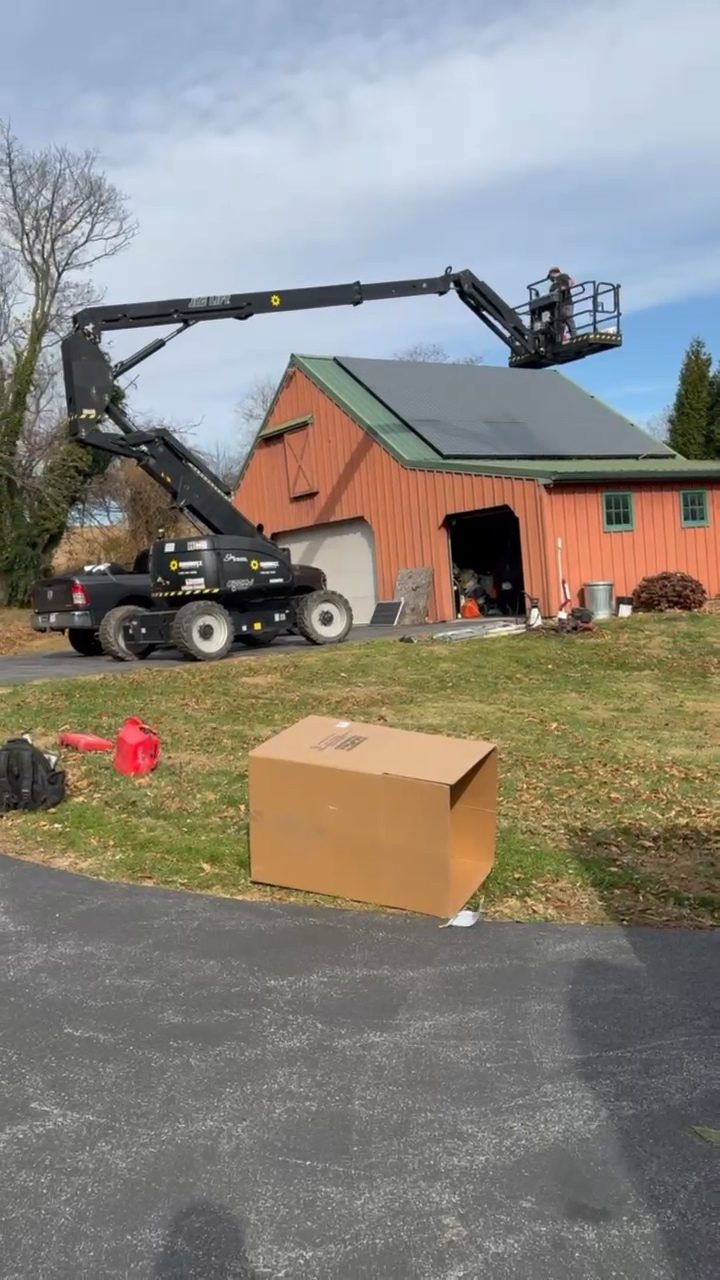
Worked from a lift, not guessed at from the ground.
If it is under the line, we tell you that and leave it.
Jenkintown is a small, dense borough with a lot of genuinely old housing. Original masonry flues in these homes were built for coal or for open fires, and some have been adapted more than once since. What the flue was designed for is not always what it is now venting.
Tight lots and shared party walls mean chimneys are often close together and hard to reach from the ground. This is most of the reason we bring a lift to borough addresses rather than working off a ladder.
Larger lots and more tree cover on this edge of the borough. More overhanging canopy means more debris in an uncapped flue, and a cap check that is worth doing every year rather than every few.
The questions Jenkintown homeowners ask most before booking.
Have it inspected once a year, and swept whenever that inspection finds enough buildup to justify it. For a household that burns wood regularly through the winter, that often works out to an annual sweep. For a fireplace lit a handful of times over the holidays, it can be every second or third year. The inspection is what tells you which category you are in.
No, and it is worth keeping them separate. An inspection is an assessment: the condition of the liner, the crown, the cap, the damper, and how much creosote is on the walls. A sweep is the cleaning itself. We inspect first because that is the only way to know whether a sweep is actually needed, and our inspection is $59.
Roughly an eighth of an inch on the flue walls is the widely used threshold. The Chimney Safety Institute of America treats that as the point at which a chimney should be swept before it is used again. It is a measurement of your actual flue rather than a date on a calendar, which is why we use it.
You are unlikely to need sweeping in the creosote sense, but you do still need the annual inspection. A gas appliance vents combustion gases through a flue that can crack, corrode, block with debris, or separate from the appliance. Those are carbon monoxide risks rather than fire risks, and they are silent, which is precisely why they get checked.
A large one. Wet or unseasoned wood burns at a lower temperature, so more of the smoke condenses onto the flue walls as creosote instead of leaving as gas. EPA Burn Wise covers the seasoning guidance in detail. Two households burning the same number of cords can end up on very different sweeping schedules purely because of how dry the wood was.
Yes. Tight borough lots and shared party walls are the norm here rather than the exception, which is why we bring a lift to most Jenkintown addresses instead of working off a ladder. It is safer and it means the crown and cap actually get looked at properly rather than assessed from the ground.
A $59 inspection answers it properly, for your flue rather than in general.
Real reviews from real customers, pulled live below.
Air Duct Dynasty is family-owned and based minutes away in Huntingdon Valley, working across Jenkintown, Abington and the surrounding Montgomery County communities.
Air Duct Dynasty — family-owned, serving Jenkintown, PA and Montgomery County.