Most people guess the big open fireplace. It is usually the stove. An airtight stove is built to burn slow and cool so the heat stays in the room, and cooler flue gases are exactly what creosote needs. Here is the mechanism, and what it means for the stone farmhouses and retrofitted fireboxes around Bucks County.
Ask which builds up more creosote, a big open fireplace roaring away or a tidy little wood stove, and most people say the fireplace. It looks like the more dramatic fire, so it feels like the dirtier one.
It is usually the other way round. A modern airtight stove is designed to be damped down and run slowly, extracting as much heat as possible into the room rather than sending it up the flue. That is exactly what makes it efficient, and it is also what makes the flue gases cooler on the way up. Cooler gases condense, and what condenses is creosote.
An open fireplace is the opposite trade. It is wasteful, pulling a great deal of household air up the chimney along with the smoke, and that keeps the flue hot. Hot flues deposit less per fire. They are simply used far less often, and burn far less wood over a season.
So the practical answer for most Doylestown homes: a stove used as a real heat source usually needs sweeping more often than a fireplace lit a dozen times a winter, even though the fireplace looks like the bigger fire. Our chimney inspection is $59 and settles it for your specific setup, and our Doylestown chimney cleaning page covers the local service itself.
None of these is about which appliance is “better.” They are about what conditions creosote forms in.
This is the whole mechanism. Creosote forms when smoke cools enough to condense on the flue wall. A damped-down stove produces cooler exhaust than an open fire by design, which is efficient in the room and unhelpful in the chimney.
A fireplace burns for an evening. A stove banked for an overnight burn holds the flue in that cool, smoldering range for hours at a stretch, night after night, through the whole heating season.
Unseasoned wood spends part of the fire’s energy boiling off water instead of producing heat, dropping flue temperature further. EPA Burn Wise has the seasoning guidance; on a stove that runs nightly, wet wood compounds fast.
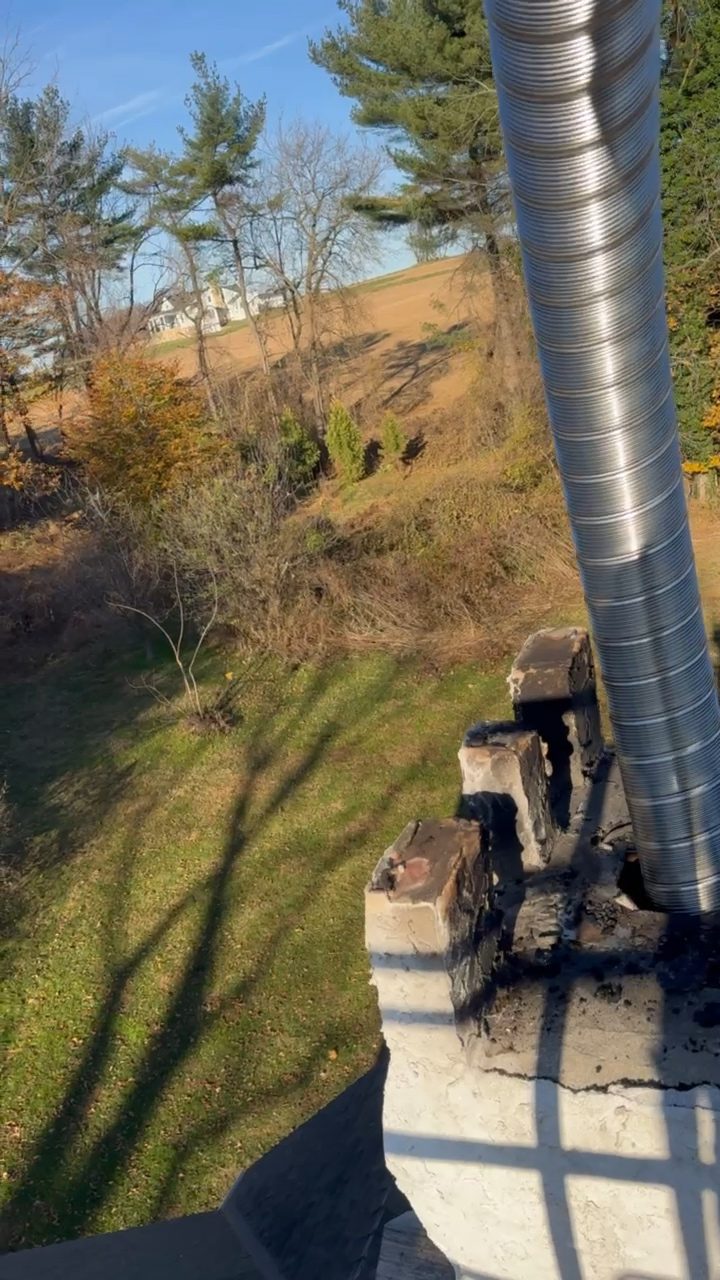
A common Bucks County situation: a stove installed into a masonry chimney that was built for an open fire. An oversized flue lets the small volume of exhaust cool before it reaches the top, which is a creosote factory. The fix is a correctly sized liner.
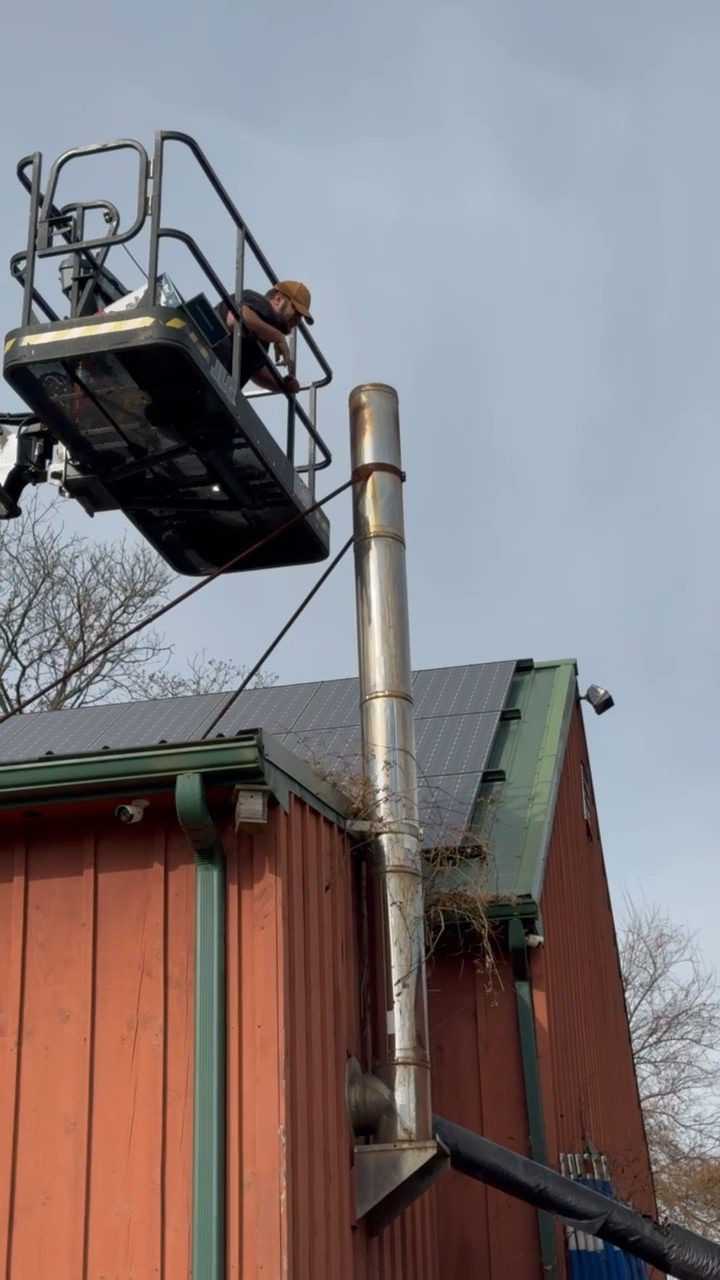
Photos from our own chimney work. The liner question comes up constantly on houses of this age, and it is not something you can settle from inside the room.
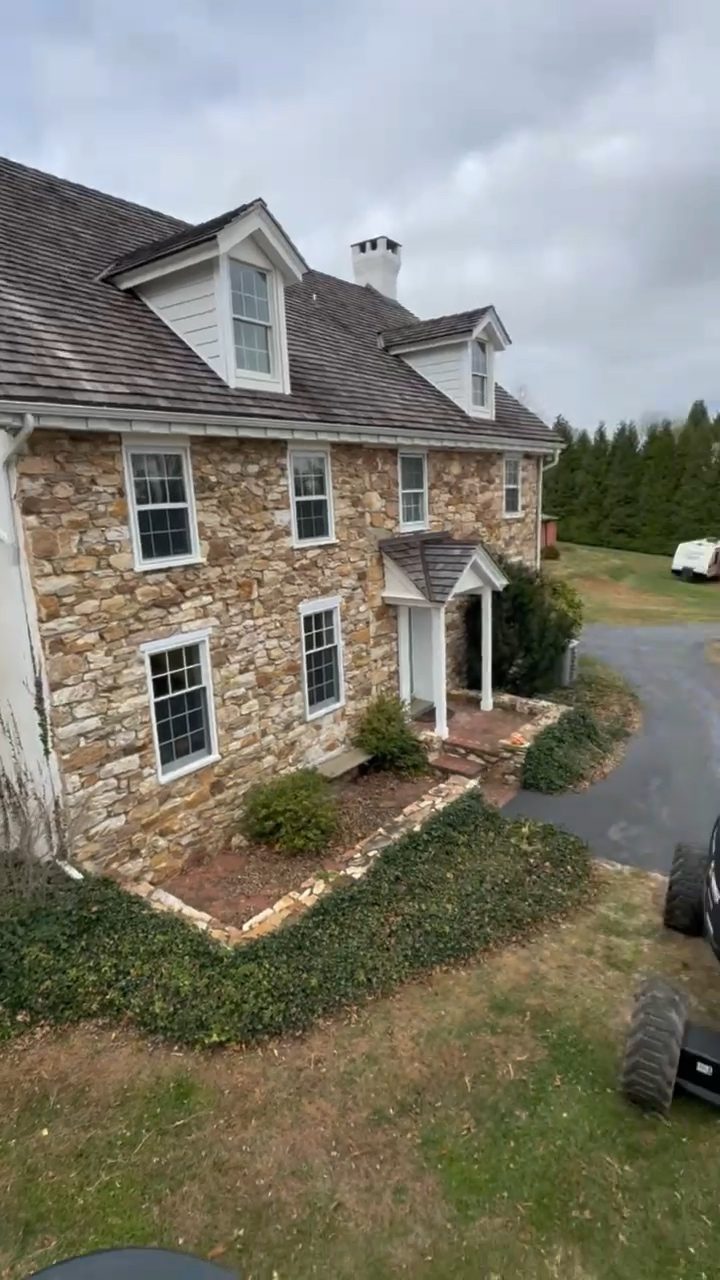
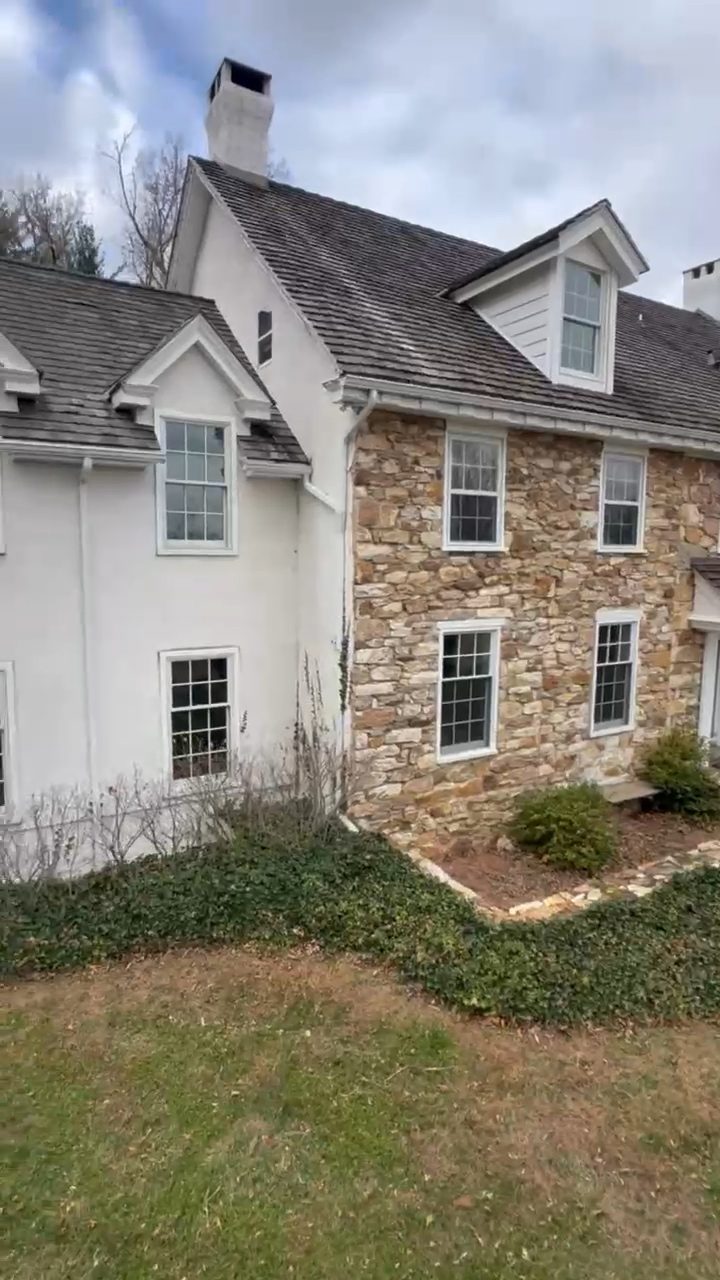
Bucks County has a lot of genuinely old stone houses, and their original fireplaces were built enormous because that was how you heated a room in 1820. Drop a modern stove into one of those flues without relining and you have the oversized-flue problem in its purest form.
The streets around the Mercer Museum and the courthouse are full of houses with multiple original flues, some long since abandoned, some quietly repurposed. Knowing which flue currently serves what is genuinely step one on these.
Prefabricated fireplaces and factory-built chimneys, which behave differently again. These have manufacturer specifications and service lives, and the parts are not interchangeable with masonry solutions.
The appliance, the flue, and whether the two were ever meant for each other.
Tell us what you burn and how often.
What is installed and how it ties into the flue.
The retrofit question, answered rather than assumed.
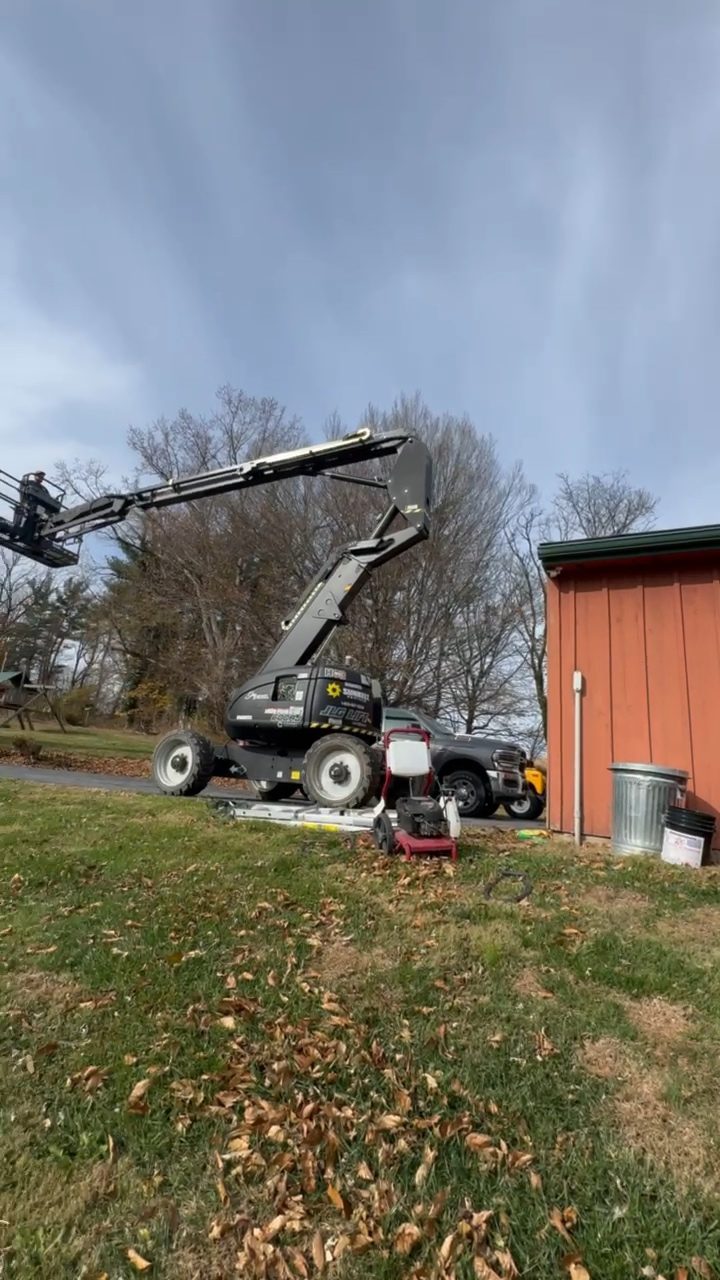
Checked from a lift, which these houses usually need.
You get a sweeping schedule for your setup, not a generic one.
What Bucks County homeowners ask us most about stoves, fireplaces and sweeping.
Usually yes, which surprises people. A modern airtight stove is designed to burn slowly and put heat into the room rather than up the flue, so the exhaust reaching the chimney is cooler. Cooler smoke condenses more readily, and what condenses is creosote. An open fireplace runs hotter and dirtier per unit of wood but is typically used a fraction as often over a season.
It is worth having checked. The common issue is flue size: an original masonry chimney built for a large open fire is far larger than a modern stove needs. The small volume of exhaust cools on its way up an oversized flue, which accelerates creosote buildup and can hurt the draft. The fix is a correctly sized liner, and it is a genuinely worthwhile one.
If the stove is a real heat source through a Bucks County winter, plan on an annual inspection and expect that a sweep will often be warranted each season. The deciding factor is the measured buildup rather than the calendar, which is why the inspection comes first. Households burning several cords a year are at the frequent end of the range.
Substantially. Wet or green wood spends part of the fire's energy boiling off moisture rather than making heat, which lowers flue temperature and increases how much condenses on the walls. On a stove that runs most nights, the difference between well-seasoned and marginal wood compounds across a whole season. EPA Burn Wise covers the seasoning guidance.
Regularly. Older Bucks County masonry is a good part of our chimney work, and it is the housing stock where the liner and flue-sizing questions come up most. We bring a lift to these addresses so the crown and cap get a proper look rather than an assessment from the ground. Call us at (215) 201-4371 and we will get you scheduled.
A $59 inspection tells you what your flue actually needs.
Real reviews from real customers, pulled live below.
Air Duct Dynasty is family-owned and serves Doylestown and the surrounding Bucks County communities from Huntingdon Valley, PA.
Air Duct Dynasty — family-owned, serving Doylestown, PA and Bucks County.